
For many seniors living in Nassau and Suffolk Counties, the digital world can feel like a foreign landscape. While the “Sandwich Generation” and their children have grown up with smartphones as an extension of their arms, many Long Island seniors view technology with a mix of curiosity and trepidation. However, as of 2026, the digital divide is no longer just about missing out on viral videos; it is increasingly a barrier to essential services, social connection, and healthcare.
Bridging this gap requires more than just buying a senior a tablet; it requires patient, hands-on guidance. This is where professional companionship plays a transformative role. By partnering with a Long Island general home care agency, families can ensure their loved ones aren’t just “owning” technology, but actually using it to enhance their independence.
Here are four ways professional companions are helping Long Island seniors cross the digital divide.
1. Facilitating “Face-to-Face” Family Connection
Isolation is a significant health risk for seniors, particularly on Long Island, where suburban sprawl can make physical visits difficult for busy family members living in the city or out of state. While a smartphone offers FaceTime and Zoom, the “friction” of opening an app, managing a stable Wi-Fi connection, and adjusting the camera can be enough to discourage a senior from trying.
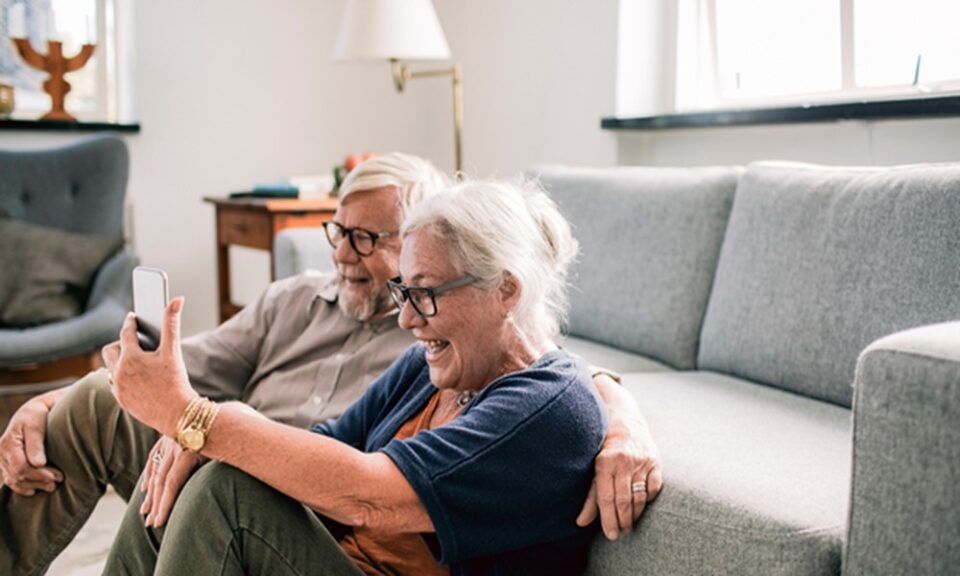
A companion removes this friction. They can set up the device, initiate the call, and troubleshoot any audio-visual glitches in real-time. By handling the “tech” side of the conversation, the companion allows the senior to focus entirely on the emotional connection-watching their grandchildren play or catching up with a sibling. This consistent social stimulation is a powerful antidote to the loneliness that often accompanies aging in place.
2. Navigating the New Era of Telehealth
The healthcare landscape on Long Island has shifted dramatically toward digital portals. From Northwell Health to NYU Langone, many providers now prioritize telehealth appointments and digital “MyChart” portals for viewing lab results and scheduling follow-ups. For a senior used to paper records and landline phone calls, this transition can be overwhelming.
Companions act as digital navigators. They can help a senior log into their health portal, ensure they are ready for a virtual doctor’s visit, and even help them take notes during the call. This assistance ensures that the senior remains an active participant in their own healthcare, preventing the “digital lag” that sometimes leads to missed appointments or misunderstood medical instructions.
3. Safe Exploration of the “Silver Economy”
The internet offers incredible conveniences for seniors with limited mobility, from grocery delivery via Instacart to online pharmacy refills and “click-and-collect” shopping at local Long Island retailers. However, the fear of “clicking the wrong thing” or falling victim to an online scam is a valid and pervasive concern among the older population.
A professional companion provides a “safety net” for digital exploration. They can sit side-by-side with a senior to help them navigate an online grocery order or set up a secure digital banking app. By providing a watchful eye, the companion helps the senior gain the confidence to use these tools independently, reducing their reliance on others for basic errands and fostering a renewed sense of autonomy.
4. Cognitive Stimulation Through Digital Engagement
Technology isn’t just a utility; it is a gateway to lifelong learning and cognitive health. Whether it’s playing digital bridge with friends, listening to a favorite 1950s playlist on Spotify, or exploring a “virtual tour” of a world-class museum, the digital world offers endless opportunities for brain exercise.
Professional companions often use tablets and smart speakers as tools for engagement. They can help a senior find an interesting documentary on YouTube, set up a digital crossword puzzle, or teach them how to use “Alexa” to set reminders for their favorite radio programs. This type of cognitive stimulation is essential for maintaining mental acuity and can be a joyful part of a senior’s daily routine.
The digital divide is often less about the technology itself and more about the lack of a patient teacher. On Long Island, where community and family connections are the bedrock of senior life, professional companions serve as the vital link between the physical and digital worlds. By turning “intimidating gadgets” into “useful tools,” these caregivers ensure that our seniors remain connected, informed, and empowered in an increasingly digital age.
