

Families frequently struggle to juggle employment, kids, and an aging parent’s expanding requirements. That balancing task gets more difficult. Especially when someone you care about needs assistance all day and night.
Many families wish to keep elderly parents at their residence. But they are concerned about medication problems. Also, falls, safety, and confusion at night.
This is the point at which round-the-clock home care offers a reliable source of assistance. 24-hour home care helps elders who require continuous support maintain a stable routine. Also, a secure and comfortable lifestyle.
Additionally, it provides families with the comfort of knowing that someone is always there. Senior private aide service is a sensible choice for families looking for 24-hour support. It combines ongoing assistance, local knowledge, and a customized strategy. Thus, 24 hour home care services are greatly considered.
You can always contact service providers or visit their office at your convenience.
Operation Used
- Shift-Based Care
Caretakers in this approach typically perform eight to twelve-hour shifts. Every caretaker remains awake and vigilant, prepared to help whenever needed.
For seniors who require assistance with toileting or keeping an eye on their safety. This strategy is effective.
- Live-In Support
After spending the entire day at the house, a caretaker switches places with another professional. Although he sleeps during the night, they are still accessible in case the senior calls out.
This arrangement is frequently selected by families that want a reliable caretaker.
Caregivers offer both emotional and practical assistance.
- Grooming, dressing, bathing, and using the restroom
- Help with transfers and walking
- Keeping an eye on comfort and safety
- Reminders for medications
- Prepare meals and assist with eating
- Dishes, laundry, and basic cleaning
- Getting to appointments
- Conversation and companionship
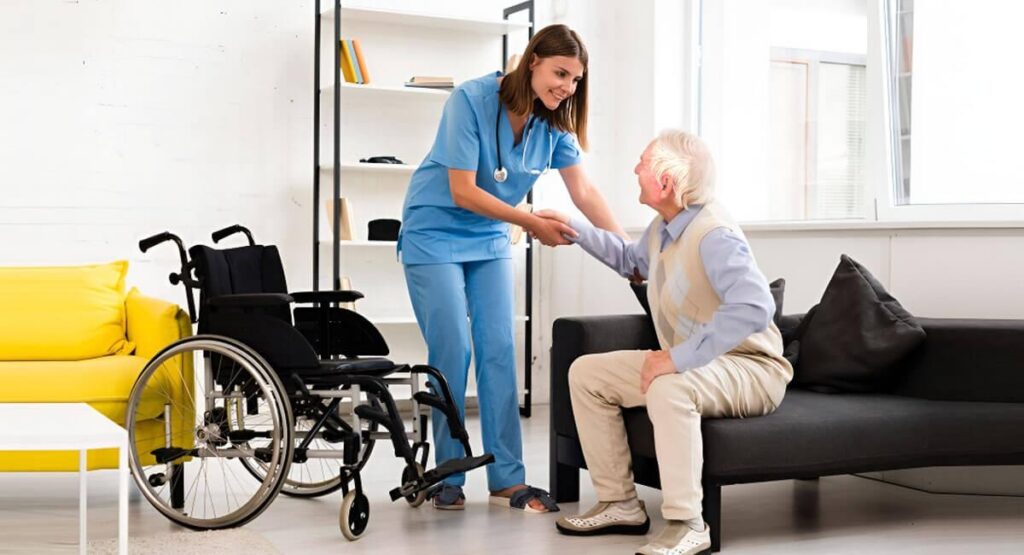
Indications That Your Elderly May Require Round-the-Clock Home Care
- Changes in Memory or Dementia
The risks associated with memory loss are unpredictable. Seniors may become confused or wander outside. Relatives frequently find it difficult to keep an eye on someone all day long. In a familiar setting, ongoing supervision keeps elders secure, composed, and more focused.
Check out https://sph.uth.edu/research/centers/dell/legislative-initiatives/tx-rpc-project-reports/healthcare/Dementia%20Prevention_Sept%202025.pdf for added info.
- Weakness, Falls, or Recent Hospitalization
There is typically a time frame during which continuous help is advised. Especially if an elderly person has fallen or has just returned from the hospital.
Falls occur frequently at night, particularly when a person attempts to get up by themselves. A private aide service that is available around the clock lowers these hazards. It helps avoid injuries that could alter a person’s health.
- Anxiety, Perplexity, or Wandering at Night
Due to frequent sleep disturbances in older persons or illnesses. Like dementia, some seniors experience increased confusion at night. Fear, unrest, or roaming may result from this.
In addition to keeping the elderly person safe. A caregiver can act swiftly and gently to ease the family’s concern.
- Support Requirements That Impact the Whole Family
Many family caregivers have to get up multiple times a night. Or stay up all day helping with mobility, meals, and personal cleanliness.
The emotional and physical stress eventually becomes intolerable. It is worthwhile to think about an in-home aide as a useful and encouraging choice. Especially when family caregivers are sleep-deprived or have to miss work.
How It Helps Seniors
- Improved Fall Prevention and Safer Practices
Caregivers lower the risk of falls by assisting with positioning, walking, and transfers. Additionally, they keep an eye on any changes in alertness, hunger, or strength.
They can let the family know if something appears off. Accidents can be avoided by paying even a little attention at night.
- Assistance with Everyday Living
With a caretaker, activities like dressing, bathing, using the restroom, and preparing meals are simpler. Seniors who have a consistent routine are more at ease and retain their dignity.
Regular assistance might also lessen the frustration. This frequently results from attempting to handle everyday responsibilities on your own.
- Assistance with Chronic Illnesses and Dementia
Predictable scheduling, patient support, and calm communication are very beneficial for seniors with dementia. Heart disease – more info, mobility issues, and stroke rehabilitation.
These are among the conditions that frequently call for regular assistance. These needs are continuously satisfied by an in-home aide, with no extended periods of unsupervised time.
- Staying Home-based
Emotional well-being is significantly influenced by familiar environments. Seniors can remain in their communities, close to loved ones, and surrounded by their own memories. This familiarity frequently lowers stress and promotes a higher standard of living.
Benefits
- Improved Rest and Less Stress
Relatives can finally sleep through the night when caretakers take care of their needs. Their relationships, health, and capacity to assist in other ways all improve as a result.
- Increased Time for Everyday Tasks
Adult children frequently balance taking care of a parent, working, and raising their own children. They can resume habits and obligations guilt-free with regular private aide service.
- Consistent Peace of Mind
It is comforting to know that a skilled caregiver is always close by. Particularly for families who travel regularly or reside far away. Relatives no longer have to worry about disorientation, falls at night, or missing prescriptions.
- Partnership With Professional Caregivers
Involving relatives in support planning is appreciated. Experts work with families to provide trustworthy direction while supporting routines, cultural values, and preferences.
