
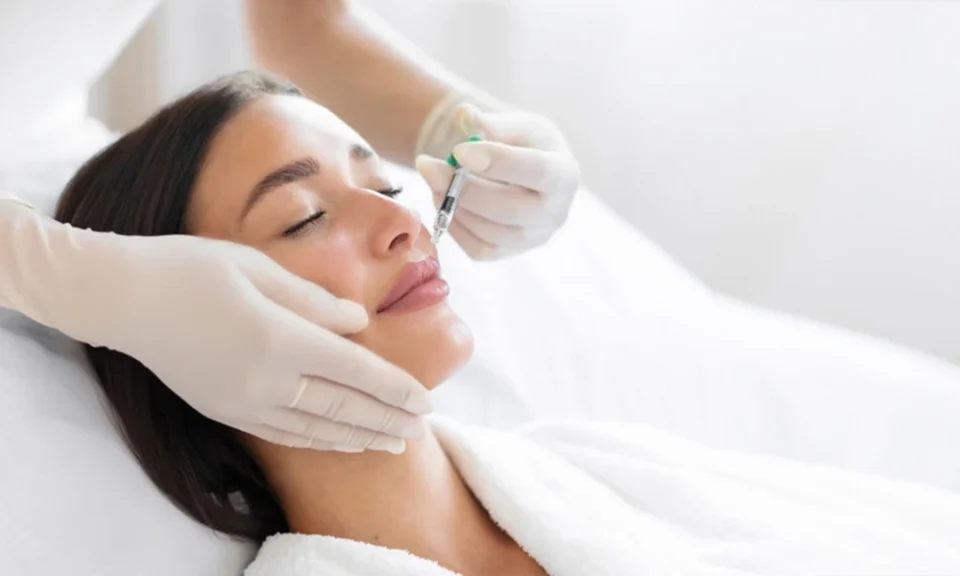
Skin treatments can address different changes as the face ages. A peel or resurfacing treatment can work on the surface, while collagen-focused treatments address changes in firmness and support. Juvelook fits into the latter category. Its formulation combines poly-D,L-lactic acid with hyaluronic acid, with PDLLA used to stimulate collagen production.
Patients considering Juvelook treatment Pasadena may be dealing with fine lines, softer skin, or a loss of firmness without wanting more facial volume. The treatment is aimed at those skin-quality changes, with results developing as the body’s collagen response takes place.
How Surface Treatments Differ
Peels address surface buildup and some changes in tone. Lasers and microneedling can be used when texture or pigmentation is part of the concern.
Firmness is a different concern. Skin can look smoother after surface treatment and still feel thinner or less supported than it once did. That is where collagen stimulation comes into consideration.
Juvelook uses PDLLA to stimulate collagen within the skin. The change is gradual, so the treatment is not about creating a noticeable change in facial shape at the appointment. It is about supporting the skin as new collagen develops.
What Happens After Treatment
A Juvelook collagen biostimulator works through the body’s own response, so the change develops over weeks and months. Unlike a conventional filler, it does not create immediate volume at the injection site.
Akari Medspa’s treatment plan takes into account how the skin has changed and what the patient wants to improve. That helps determine whether collagen stimulation makes sense for the concern being treated.
Addressing Fine Lines Without Added Volume
Fine lines can grow more visible as collagen and elasticity decline, and that does not always mean the face needs volume. Here collagen stimulation has a clear role. It focuses on skin quality instead of changing the cheeks, lips, or jawline, which appeals to patients who want smoother skin while keeping their proportions.
The practitioner still has to find what is causing the line. Wrinkles from repeated muscle movement call for a different approach, while lines tied to skin quality and collagen loss respond better to skin-focused treatment.
Matching the Treatment to the Skin
No treatment addresses every kind of facial aging. The question is what changed and which layer needs attention. A practitioner assesses texture, elasticity, fine lines, pigmentation, volume, and past treatments before deciding where collagen stimulation belongs. The assessment also helps determine how much of the visible change comes from declining skin quality. It gives the practitioner a clearer picture of where collagen stimulation may improve the skin and where another approach may be more appropriate.
