
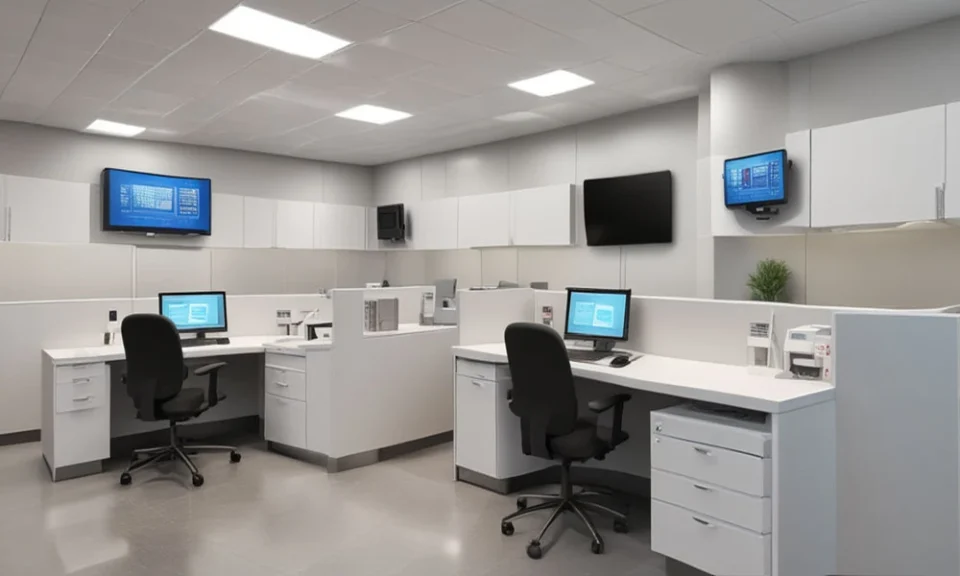
In modern healthcare settings, nurses’ stations play a vital role in keeping hospitals running smoothly. Whether in the NHS or the private healthcare sector, these spaces give nurses a central point for completing administrative tasks, accessing important patient information, and communicating with colleagues.
However, nurses’ stations have changed significantly over the years. Traditionally, they were often tucked away in small rooms or side areas where nurses could carry out their work away from the main clinical environment. Today, healthcare design is moving towards more open, accessible and welcoming spaces that allow nursing teams to remain connected to patients and the wider care environment.
This shift reflects a broader change in healthcare design, with greater emphasis on creating environments that reduce stress, support wellbeing, and provide a more positive experience for patients, families, and staff.
From Functionality to Holistic Care Spaces
Modern nurses’ stations need to be more than practical work areas. They need to be flexible enough to support the changing demands of healthcare professionals while providing a comfortable and organised working environment.
Well-designed stations can improve workflow, reduce clutter and make it easier for staff to access the equipment and information they need. A considered approach to furniture, storage, lighting, and layout can also boost staff morale, creating a workplace that feels professional without appearing cold or clinical.
For patients and visitors, a well-designed nurses’ station can also make a difference. Open, tidy, and welcoming spaces can help create a more approachable healthcare environment while still giving nurses the privacy and focus they need to do their work.
The Impact of Technology on Nurses Station Design
Technology has transformed almost every aspect of modern healthcare, and nurses’ stations are no exception.
Where paper records and manual processes were once commonplace, healthcare professionals now rely heavily on electronic health records (EHRs), electronic medication systems and digital communication tools. As a result, nurses’ stations must accommodate technology without compromising comfort, accessibility, or workflow.
Modern stations often incorporate computer workstations positioned to give nurses quick, convenient access to patient information. Mobile technology, including tablets and other handheld devices, also allows staff to access and update information while moving around the clinical environment.
When technology is properly integrated into the design of a nurses’ station, it can save time, support more accurate record-keeping, and improve efficiency. As digital healthcare continues to evolve, nurses’ stations will need to remain adaptable to accommodate new technologies and changing ways of working.
Components of an Effective Nurses Station
An effective nurses’ station brings together several important elements, including thoughtful design, appropriate technology, ergonomic furniture and practical storage.
The layout is particularly important. Nurses need to work efficiently while staying aware of the surrounding clinical environment. Where appropriate, positioning the station so that staff have good visibility of patient areas can support observation and help with patient safety.
Dedicated areas for different tasks can also improve workflow. For example, having suitable spaces for preparing medication, completing documentation or accessing equipment can help staff stay organised and minimise unnecessary interruptions.
Ultimately, every element of the station should work together to create a space that supports communication, efficiency and, most importantly, high-quality patient care.
Ergonomic Design Principles for Staff Wellbeing
Nurses can spend a significant amount of time working at nurses’ stations, making ergonomics an important consideration.
Height-adjustable desks and suitable seating let staff adapt workstations to their needs. This can help reduce physical strain and create a more comfortable working environment throughout a busy shift.
Equipment and supply placement is equally important. Frequently used items should be easy to reach, reducing unnecessary movement and repetitive tasks. Effective storage solutions can also help keep work surfaces clear and minimise clutter.
By considering how nurses use the space throughout their workday, healthcare facilities can create environments that better support staff health, comfort, and productivity.
Integrating Advanced Communication Systems
Clear communication is essential to effective healthcare. Nurses’ stations often act as a central point for coordinating care, sharing information and communicating with other members of the healthcare team.
Modern communication technologies can make this process faster and more efficient. Hands-free communication devices, for example, let nurses speak with colleagues and clinicians without stopping what they are doing.
Real-time locating systems can also help staff keep track of medical equipment and, in some settings, team members. This can reduce time spent searching for resources and help teams respond more quickly when equipment or assistance is required.
Together, these technologies can support better collaboration, reduce delays and help healthcare teams deliver a more coordinated service.
Strategies for Optimising Nurses Stations in the UK
Space can be a major challenge in many UK healthcare facilities, particularly in older hospitals not designed around today’s technology and clinical requirements.
Making the most of the available space therefore requires careful planning. Modular workstations, integrated storage and wall-mounted solutions can help maximise available floor space while keeping essential equipment close at hand.
The layout should also support efficient movement. Nurses should be able to access the information, equipment and supplies they need without unnecessary walking or disruption.
For NHS and private healthcare facilities alike, redesigning a nurses’ station offers an opportunity to examine how staff use the space and identify areas where workflow could improve.
A well-planned redesign can create a more organised and comfortable working environment, supporting staff satisfaction while contributing to better patient care.
The Future of Nurses Stations in Healthcare
Nurses’ stations remain an important part of the modern healthcare environment, but their role is changing. They are no longer simply functional work areas. Instead, they are becoming flexible, technology-enabled spaces designed around the needs of both healthcare professionals and patients.
Good design can make these spaces more comfortable, efficient and welcoming while helping staff communicate effectively and access the information they need.
In the UK, where healthcare facilities often need to make the most of limited space, thoughtful nurses’ station design can have a particularly significant impact. By combining practical layouts, ergonomic furniture, integrated technology and effective storage, healthcare providers can create workspaces that support both staff wellbeing and patient care.
Ultimately, a successful nurses’ station works quietly in the background, helping nurses spend less time dealing with workspace limitations and more time focusing on what matters most: caring for patients.
What Are the Key Features of a Well-Designed Nurses Station?
A well-designed nurses’ station should combine comfort, functionality and accessibility. Workstations should be ergonomically designed to reduce physical strain, while essential patient information, equipment and supplies should be easy to access.
Dedicated work areas can also help staff focus on individual tasks, while appropriate screens or dividers can provide privacy without completely separating nurses from their surroundings.
Good storage, effective lighting, suitable technology and a practical layout all contribute to a workspace that allows nursing teams to work efficiently throughout the day.
How Does the Design of a Nurses Station Affect Patient Care?
The design of a nurses’ station can directly affect how efficiently healthcare teams work.
A well-organised station makes it easier for nurses to access information, communicate with colleagues and complete essential tasks. A clean, uncluttered environment can also reduce distractions, helping staff stay focused on patient needs.
When the workspace is designed around how nurses actually work, it can support smoother workflows, better communication, and a more positive experience for both staff and patients.
More Information About Nursing Stations
Architectural Walls is a leading designer and supplier of nurses’ stations for healthcare environments. With more than 30 years of healthcare expertise, the company creates flexible solutions designed to meet the demands of modern healthcare while allowing for future changes.
Their nurses’ stations incorporate considered design features and innovative finishes to help reduce bioburden risks, improve storage efficiency and support ergonomic working practices, with the wellbeing of both staff and patients at the heart of the design.
For more information, visit the Architectural Wallsz website to explore their range of modular rooms, nurses’ stations and partitioning solutions for healthcare, office and education environments.
