
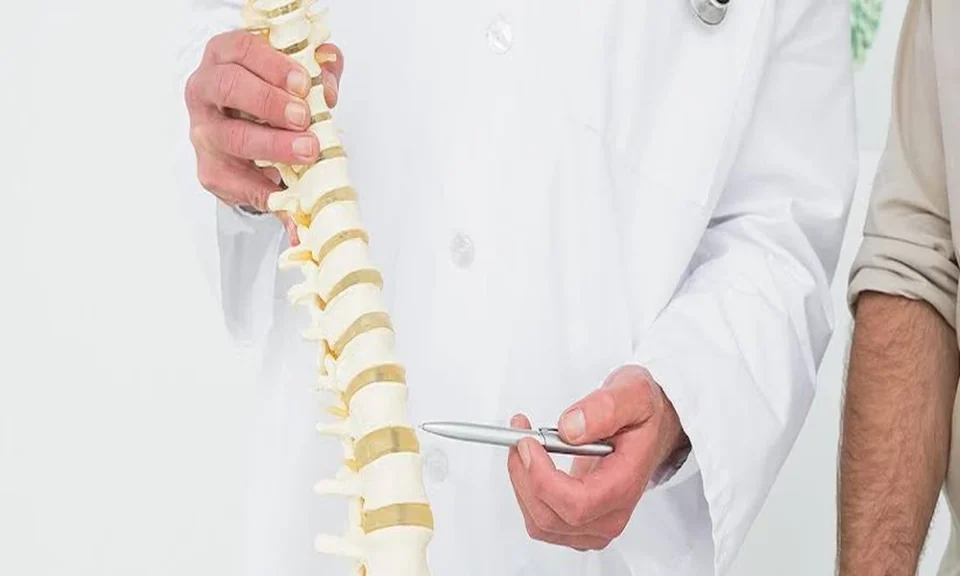
Back pain, leg pain, weakness and numbness can make surgery feel both hopeful and intimidating. Dr. Larry Davidson recognizes that minimally invasive spine surgery is often seen as something quick and easy. It may be discussed in simple phrases, but the decision itself depends on imaging, symptoms, health history and the exact problem being treated.
That distinction matters because a smaller incision does not make spine surgery simple or eliminate the need for realistic expectations. Patients should understand what minimally invasive techniques are intended to accomplish, where their limitations may lie, and which questions to discuss directly with a qualified spine surgeon.
Smaller Incisions Can Still Involve Real Surgery
The phrase “minimally invasive” can sound reassuring because it suggests less disruption than a traditional open approach. In spine surgery, it generally refers to techniques that use smaller openings, specialized instruments and imaging guidance to reach the affected area with less disturbance to surrounding muscles and soft tissue. That approach can matter for some patients, especially when the goal is to relieve pressure on nerves, remove part of a herniated disc, or stabilize a specific spinal segment.
The positive part is that smaller access routes can support a more focused surgical approach when the anatomy and diagnosis fit. The practical part is just as important: the surgeon is still working near nerves, bone, discs and other sensitive structures. Anesthesia, incision care, pain control, activity restrictions and follow-up visits remain part of the experience. A smaller incision is not the same as a minor procedure.
Less Tissue Disruption Doesn’t Equal No Pain
Some people hear minimally invasive and expect little or no discomfort after surgery. That assumption can lead to frustration during the first days at home, when soreness, fatigue, nerve irritation or incision tenderness still need attention. Pain levels vary by procedure, diagnosis, preoperative symptoms and general health. A patient having a limited decompression often faces a different early recovery than a patient having a fusion procedure.
A more useful expectation is that minimally invasive techniques are designed to reduce unnecessary tissue disruption, not erase every source of postoperative discomfort. The body still needs time to respond after anesthesia, tissue handling and changes around irritated nerves. Patients should ask how pain is usually managed, which symptoms are expected, which symptoms need a call to the surgeon’s office and how medication timing should fit with walking, sleep and daily routines.
Recovery Still Needs Structure
Patients often want to know when they can walk, drive, climb stairs, shower, return to work or lift household items. Those details are not side issues. They shape the first weeks after surgery and can affect how confident someone feels at home. Discharge instructions usually explain wound care, bathing limits, medication use, walking goals and restrictions on bending, lifting or twisting.
A minimally invasive procedure can still require a step-by-step return to activity. Someone who feels better after nerve pressure is relieved might still need to avoid heavier tasks until the surgeon has reviewed healing and symptoms at a follow-up visit. A person with a fusion usually needs more time because bone healing is part of the process. The best recovery guidance is specific to the procedure, not to the marketing phrase attached to it.
Not Every Spine Problem Fits a Smaller Approach
The strongest understanding of minimally invasive spine surgery starts with patient selection. Some conditions can be treated through smaller access routes, including certain herniated discs, lumbar spinal stenosis, select cases of instability and some fusion procedures. Other situations need a wider view of the spine, a different angle of access, or a more extensive correction. Severe deformity, complex revision surgery, infection, tumor involvement, marked instability or anatomy that limits safe access can change the recommendation.
That does not make minimally invasive surgery less valuable. It means the value comes from choosing it for the right reason. A surgeon reviews MRI or CT findings, X-rays when needed, neurologic symptoms, walking tolerance, prior treatment, medical conditions and patient goals. The question is not whether the smallest incision sounds best. The better question is which approach gives the surgeon the safest and clearest way to address the actual source of nerve compression, instability or pain.
The Diagnosis Matters More Than the Label
Two patients can both hear the words minimally invasive spine surgery and be facing very different procedures. One person might need part of a disc removed to reduce pressure on a nerve root. Another might need bone and soft tissue removed to make more room in the spinal canal. A third might need screws, rods and a bone graft to stabilize a segment. The same broad label does not mean the same recovery path.
Clear terminology helps patients avoid false comparisons. Discectomy, foraminotomy, laminectomy, laminotomy and fusion describe different surgical goals. Decompression generally means creating more room for nerves. Fusion means joining vertebrae so a segment becomes stable. Patients should ask which structure is being treated, what the surgeon expects the procedure to accomplish, and what symptoms are less predictable after surgery.
Imaging and Symptoms Need to Match
An MRI can show disc changes, arthritis, stenosis or narrowing around nerves, but images do not tell the whole story by themselves. Many adults have age-related changes in the spine, and not every finding causes symptoms. The surgeon usually looks for a pattern: pain location, numbness, weakness, walking limits, reflex changes, imaging findings and response to nonsurgical treatment. When those details match, the case for surgery becomes clearer.
A useful consultation includes notes about when symptoms started, what makes them worse, what improves them, how far the patient can walk, whether pain travels into an arm or leg, and which treatments have already been tried. Medication lists, prior imaging, injection records and physical therapy notes can also help. Dr. Larry Davidson has long encouraged a patient education approach that keeps the focus on the full clinical picture rather than a procedure name alone.
Benefits Should Be Discussed With Limits
Minimally invasive techniques can offer real advantages in selected cases. Smaller incisions, less muscle disruption, reduced blood loss, shorter hospital stays or a more focused rehabilitation process are common reasons surgeons consider these approaches. Those benefits are most meaningful when they are tied to a specific diagnosis and a clear surgical goal. A patient with nerve compression from a herniated disc has different concerns than a patient with spinal instability.
The limits deserve the same attention. Any spine procedure can involve infection, bleeding, anesthesia concerns, nerve irritation, spinal fluid leak, incomplete symptom relief or the need for another procedure. Some cases that begin with a minimally invasive plan can require a different approach if safety or visibility becomes a concern. Honest discussion does not make the option less positive. It helps patients understand the procedure as medical decision-making, not a shortcut.
Recovery Questions Make the Visit More Useful
Patients often remember the diagnosis but forget the practical details that matter at home. Before surgery, it helps to ask about the first 48 hours, the first follow-up appointment, and the first month. A person living alone may need help with transportation, meals, laundry, pet care or stairs. A caregiver may need to know which tasks are safe to assist with and which symptoms should be reported.
Good questions include: how long should walking sessions be, when can showering resume, what lifting limit applies, how should pain medicine be used, when is driving usually discussed, and what signs should lead to a phone call. Patients with diabetes, osteoporosis, tobacco use, blood thinner use or prior spine surgery should ask how those details affect healing and monitoring. Recovery planning works best when it is practical enough to fit the patient’s actual home life.
A Positive View Starts With Clear Expectations
Minimally invasive spine surgery is not defined by one standard. It is better understood as a group of techniques that can help some patients receive more targeted treatment with less unnecessary tissue disruption. That is a positive development, but it is most useful when patients also understand pain control, activity limits, follow-up needs, and the reasons a different approach might be recommended.
A clearer view gives patients more confidence because it replaces vague expectations with specific questions. Dr. Larry Davidson stresses the need for patient education that respects both the possible benefits and the limits of modern spine care. Patients considering minimally invasive spine surgery should bring their imaging, symptom history, medication list and daily activity concerns to a qualified spine surgeon so the discussion can focus on the safest option for their condition.
