
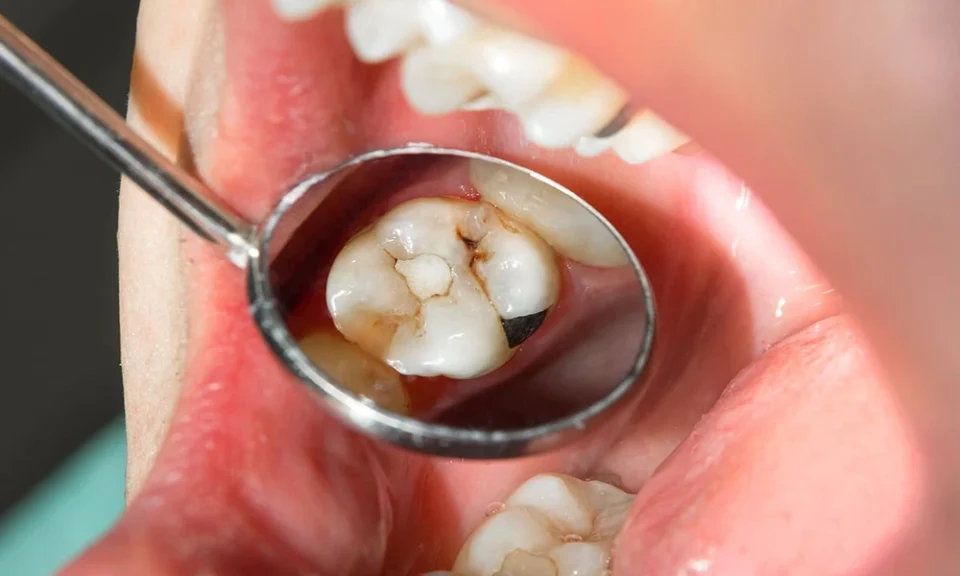
You catch your reflection, smile a little, and then see it. One tooth looks darker than the others, but nothing hurts. That can be strangely unsettling. Pain would at least feel like a clear signal. A dark tooth with no pain leaves you guessing, and most people go straight to the same thought. Is this serious, or can it wait? If treatment becomes necessary, you may even start researching dental implants in Clearwater.
A general dentist does not judge the problem by pain alone. Tooth color changes can point to staining, old dental work, internal damage, or changes in the nerve inside the tooth. Some causes are minor. Some need treatment before pain starts. That is why what general dentists look for when a tooth darkens without pain usually comes down to one thing. They are trying to tell whether the color change is happening on the outside of the tooth or deeper inside it.
A Dark Tooth Without Pain Still Gives Your Dentist Useful Clues
When a tooth turns gray, brown, yellow, or darker than the teeth next to it, your dentist starts with the pattern. One dark tooth often means something different from several teeth darkening at once. A single tooth may have a history of trauma, even if you barely remember it. You bit a fork years ago, got hit during sports, or had a deep filling, and the nerve slowly changed afterward. Multiple teeth darkening may point more toward surface staining, enamel wear, smoking, certain foods, or aging.
Your dentist also looks at the shade itself. Gray can suggest changes inside the tooth. Brown may be stain, decay, or an old filling leaking around the edges. Yellow can happen when enamel thins and the darker dentin underneath shows through. A tooth that darkens after a root canal may reflect changes in the tooth structure or leftover internal staining.
This is why a darkening tooth evaluation is rarely just a quick glance. The tooth may feel normal to you, but the color shift can be the first sign that the pulp inside the tooth is no longer healthy.
General Dentists Check for Trauma, Decay, and Changes in the Tooth Nerve
The exam usually starts with your history. Your dentist wants to know when you first noticed the change, whether the tooth had a filling, crown, or injury, and whether you grind your teeth or clench at night. A tooth can lose blood supply after trauma and darken slowly over time. That process may happen with little or no pain.
Then comes the clinical exam. Your dentist looks for cracks, chips, old restorations, gum changes, and signs of decay. They may tap the tooth, check the bite, and test the tooth’s response to cold. If the tooth does not respond normally, that can suggest the nerve is no longer healthy. X-rays help show what the eye cannot see, including decay between teeth, bone changes near the root, previous dental work, or a hidden infection.
According to MedlinePlus information on tooth discoloration, color changes can come from both external stains and internal changes within the tooth. That distinction matters because the treatment is very different. Surface stain may improve with cleaning or whitening. Internal discoloration may need a filling replacement, root canal treatment, internal bleaching, or a crown.
When a tooth turns dark without pain, people often assume it is cosmetic and put it off. That can get expensive later. If the cause is a dying nerve or decay under an old filling, waiting may mean the tooth becomes brittle, infected, or harder to save. The lack of pain can create false reassurance.
The Difference Between Surface Staining and Internal Tooth Darkening Shapes Treatment
A dentist is sorting through two broad categories. Surface discoloration sits on the outside of the tooth. Internal discoloration starts within the tooth itself. They can look similar in the mirror, but they do not behave the same way.
| Finding | What it may suggest | Common next step |
|---|---|---|
| Dark area wipes or polishes lighter | Surface stain from coffee, tea, tobacco, or plaque | Professional cleaning or stain removal |
| One tooth looks gray or dull compared with nearby teeth | Old trauma or loss of nerve health | X-rays, pulp testing, treatment based on results |
| Brown or dark spot near an old filling | Leakage, recurrent decay, or breakdown around restoration | Repair or replacement of the filling |
| Tooth darkened after root canal | Internal staining or structural change | Internal bleaching, crown, or veneer depending on strength and appearance |
| Several teeth look more yellow over time | Enamel wear and dentin showing through | Cleaning, whitening, or cosmetic options if appropriate |
A tooth discoloration dentist visit can also uncover related issues that are easy to miss at home. Cracks can be tiny. Decay under a filling may not show on the surface. Gum recession can expose root structure that looks darker or yellower than enamel. MedlinePlus also provides a broader overview of tooth disorders, which helps explain why color change should be checked in context, not treated as a stand-alone cosmetic issue.
Three Immediate Steps Help You Protect the Tooth
1. Take a clear photo and note the timing. Good lighting helps. Compare the tooth to photos from a few months ago if you have them. If the color changed quickly, your dentist will want to know that. Sudden darkening can point to internal changes more than slow stain buildup.
2. Avoid DIY whitening on that tooth until it is examined. Whitening strips and gels can waste time and sometimes make the mismatch more obvious. If the problem is inside the tooth, over the counter whitening will not fix it. If there is decay or a crack, you do not want to mask the warning sign.
3. Schedule a general dentist exam before symptoms start. The goal is not just to improve color. It is to find out whether the tooth is healthy, restorable, and stable. Early treatment often means simpler treatment. Waiting for pain can shrink your options.
Early Evaluation Gives You More Options
A dark tooth without pain is easy to second guess. You may be hoping it is only stain, and it might be. Still, dentists pay attention to these changes because color often tells a story before discomfort begins. The sooner the cause is clear, the easier it is to choose the right fix and avoid a bigger problem later.
If you have noticed a tooth getting darker, book a visit with a general dentist and have it checked soon.
