
Digestive symptoms can have many possible causes, ranging from temporary irritation to conditions that require specific treatment. When symptoms persist, recur, or are accompanied by warning signs, doctors may recommend a closer examination of the upper digestive tract.
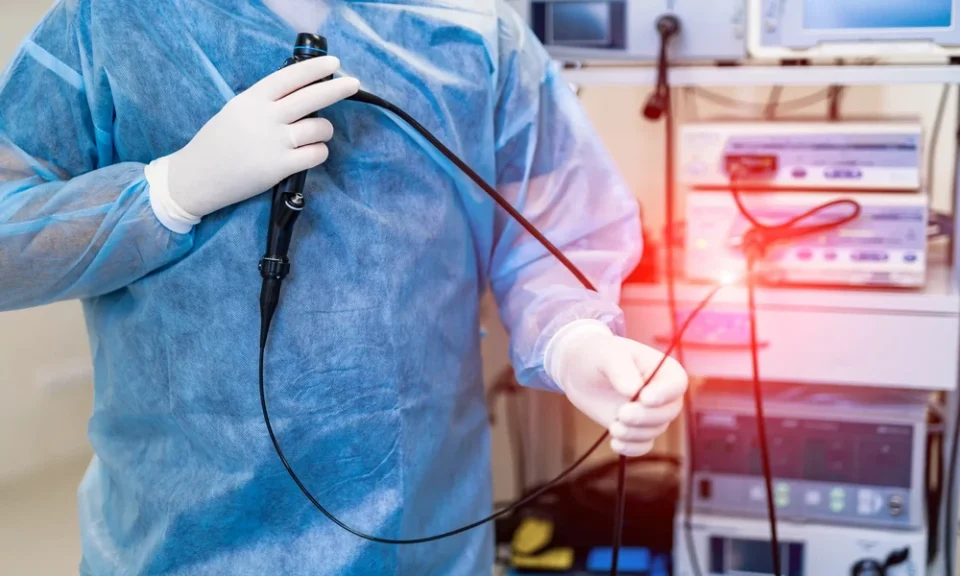
A gastroscopy procedure is an upper gastrointestinal examination that uses a thin, flexible tube with a camera to view the oesophagus, stomach and duodenum. It can help doctors investigate symptoms, identify abnormalities and collect tissue samples when necessary.
1. Persistent Upper Abdominal Symptoms
Ongoing discomfort in the upper abdomen is one reason a doctor may recommend an examination of the upper digestive tract. Symptoms can include indigestion, nausea, vomiting, bloating, or recurring discomfort after meals.
While these symptoms can sometimes have a functional or less serious cause, persistent symptoms may require further investigation. A gastroscopy screening allows the doctor to directly examine the lining of the upper digestive tract for abnormalities such as inflammation, ulcers or other changes.
Doctors generally consider the patient’s age, medical history, symptom pattern and response to initial treatment when deciding whether an examination is appropriate.
2. Difficulty Swallowing
Difficulty or pain when swallowing should not simply be dismissed as indigestion. Problems with swallowing can sometimes be associated with narrowing, inflammation or other abnormalities affecting the oesophagus.
A gastroscopy provides a direct view of the oesophagus and can help identify possible structural causes. If a narrowed area is found, the procedure may also allow certain treatments to be performed, depending on the underlying problem.
People experiencing persistent swallowing difficulties should discuss the symptom with a healthcare professional, particularly if it is becoming progressively worse.
3. Unexplained Bleeding or Anaemia
Digestive tract bleeding is another important reason for an upper gastrointestinal examination. Blood loss may sometimes be visible, such as through vomiting blood, but it can also occur gradually without obvious signs.
Iron-deficiency anemia may occasionally be associated with blood loss from the digestive tract. When a doctor suspects an upper gastrointestinal source, a gastroscopy can help locate abnormalities that could be contributing to the bleeding.
During the examination, doctors can also take biopsies or perform certain treatments when appropriate. For example, some bleeding lesions can be treated using specialised endoscopic techniques.
4. Suspected Ulcers, Inflammation or Other Conditions
Stomach ulcers, inflammation of the upper digestive tract and certain other gastrointestinal conditions may produce symptoms that overlap with ordinary indigestion.
Because symptoms alone cannot always establish the underlying cause, direct examination can provide useful information. A gastroscopy can reveal inflammation, ulcers, abnormal growths and other changes affecting the oesophagus, stomach or duodenum.
Doctors can also obtain a small tissue sample during the procedure. Biopsies may then be examined in a laboratory to help investigate particular conditions or abnormalities.
5. Warning Signs Require Further Investigation
Certain symptoms may make further evaluation particularly important. These include unexplained weight loss, persistent vomiting, gastrointestinal bleeding, difficulty swallowing and unexplained iron-deficiency anemia.
Clinical guidance identifies these features as important considerations when assessing whether upper gastrointestinal endoscopy is appropriate. However, having one of these symptoms does not automatically mean a person has a serious disease. It indicates that further medical assessment may be warranted.
The decision to recommend a gastroscopy depends on the individual’s symptoms, risk factors, previous investigations and overall clinical picture.
What Happens During the Procedure?
During the examination, a flexible camera is carefully passed through the mouth and into the upper digestive tract. The doctor can view the oesophagus, stomach and duodenum on a monitor.
If an abnormal area is identified, the doctor may take a small biopsy for laboratory examination. Certain problems can also be treated during the procedure, including some sources of bleeding, narrowed areas or selected lesions.
The examination is generally performed in a controlled medical setting, with preparation and monitoring based on the patient’s circumstances.
When Should You Speak to a Doctor?
Digestive discomfort does not always require an invasive investigation. Some people with mild symptoms may first receive medication, lifestyle advice or non-invasive testing, depending on their circumstances.
However, symptoms that persist despite appropriate treatment or occur alongside warning signs may require additional assessment. Current clinical guidance recommends considering the overall clinical picture rather than using a single symptom to determine whether an examination is necessary.
If your doctor recommends a gastroscopy, ask why it is being advised, what the procedure is intended to investigate and whether you need to make any specific preparations beforehand.
Conclusion
Doctors may recommend a gastroscopy to investigate persistent upper abdominal symptoms, swallowing difficulties, suspected digestive bleeding, possible ulcers or inflammation, and other warning signs. The procedure provides a direct view of the upper digestive tract and can also allow biopsies or selected treatments when appropriate.
The need for the procedure varies from person to person. Discussing your symptoms and medical history with a qualified healthcare professional can help determine whether an upper gastrointestinal examination is appropriate for you.
