
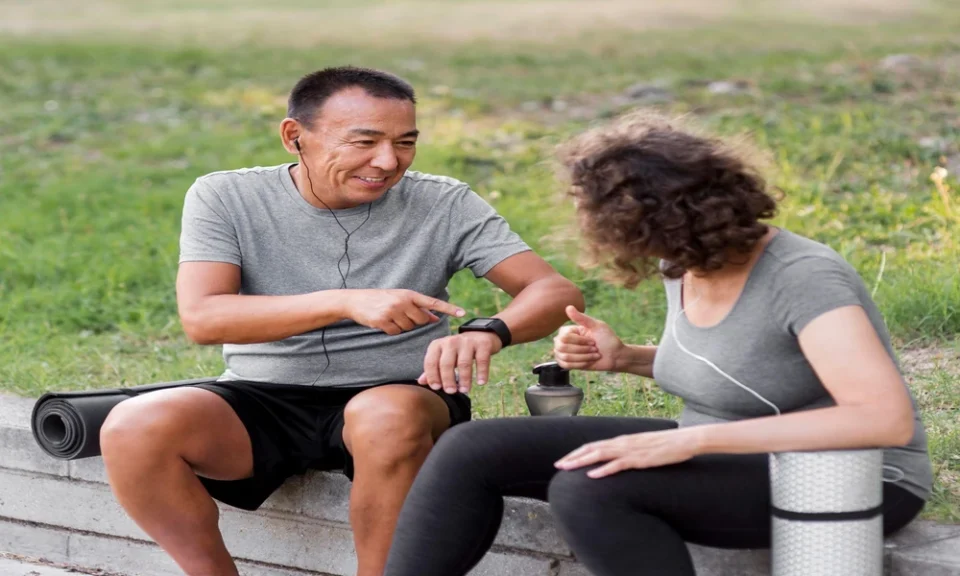
Ask many older Singaporeans how they manage diabetes and you’ll hear a familiar formula: less white rice, less teh tarik, and the tablets from the polyclinic. All of that matters. But it leaves out one of the most powerful tools for blood sugar control, and one that doesn’t come in a pill organiser: working muscles.
One in Five, and Rising With Age
The latest National Population Health Survey puts diabetes prevalence among residents aged 18 to 74 at about 9.1%. That average hides a steep climb with age, though. Prevalence roughly doubles with each older age group, reaching about one in five among those aged 60 to 74. The survey also found that around one in six residents with diabetes hadn’t yet been diagnosed.
Singapore has been fighting back since the Ministry of Health declared its War on Diabetes in 2016, with campaigns on diet, screening and activity. For older adults, though, generic advice to “exercise more” can feel vague or even risky. A personal trainer for the elderly turns that advice into something specific and safe: the right exercises, at the right intensity, adjusted to how your body and your readings respond.
Muscle Is the Body’s Biggest Sugar Sponge
After a meal, much of the glucose in your bloodstream is meant to end up in your muscles. When muscles are active, they draw in glucose more readily, and regular exercise can improve how well the body responds to insulin. Strength training adds a further benefit by building and preserving muscle, which matters more with every passing decade as muscle naturally declines.
That’s why a programme for an older adult with diabetes usually blends two things: resistance work to maintain muscle, and low-impact aerobic exercise such as brisk walking or stationary cycling. Neither needs to be intense to be useful. Consistency counts for far more.
What Changes When You Exercise With Diabetes
Diabetes doesn’t rule out exercise, but it does add a few considerations that a careful trainer keeps an eye on:
| Consideration | Why it matters | How sessions adapt |
| Low blood sugar | Some medications, including insulin, can cause readings to dip during or after exercise | Checking how you feel, keeping a sugary snack nearby, adjusting session timing |
| Feet | Diabetes can reduce sensation, so blisters and cuts may go unnoticed | Well-fitted shoes, low-impact moves, checking for discomfort |
| Eyes and blood pressure | Straining or holding your breath during lifts can raise pressure | Controlled breathing and moderate loads |
| Energy levels | Fatigue can vary from day to day | Intensity adjusted session by session |
None of this replaces your doctor, dietitian or diabetes nurse. A trainer’s role is to make the exercise part of your care plan practical and safe, and to notice when something seems off so you can raise it at your next clinic visit. Many people find that seeing their strength improve week by week also makes the rest of their routine, from meals to medication, easier to stick with.
The After-Dinner Walk and Other Small Wins
Not everything happens in the gym. A short walk after meals, whether around the estate after a hawker centre dinner or a few laps of the void deck, is a simple habit that can help blunt the rise in blood sugar that follows eating. Taking the stairs for a floor or two, or standing up regularly during long stretches of television, adds up too.
These small habits work best alongside structured training, not instead of it. Two strength sessions a week, which matches the Singapore Physical Activity Guidelines, combined with daily movement, gives muscles both the stimulus and the routine they need.
Do You Need Your Doctor’s Go-Ahead?
Gentle exercise is generally safe for most people with diabetes, but it’s wise to speak to your doctor first if you’ve had recent complications, a change in medication, chest pain, changes in your vision, or if you’re under ongoing medical follow-up. If you’re enrolled with a Healthier SG family doctor, that clinic is a natural place to ask.
It also helps to bring your recent readings and medication list to your first training session. Your trainer can then plan around them rather than guessing, and you’ll both have a baseline to look back on. Over a few months, keeping a simple log of sessions alongside your readings can make conversations with your doctor more productive too.
Your Session-Day Routine
A little structure around each session makes training smoother and safer:
- Before: eat as you normally would, check your blood sugar if your doctor has asked you to, and pack a small sugary snack.
- During: mention straight away if you feel shaky, sweaty, dizzy or unusually tired.
- After: rehydrate, note how you felt, and check your feet when you get home.
Vigeo runs a dedicated diabetes programme in which sessions take place in a private pod at your own pace, with exercises chosen to protect your joints and suit your energy levels. Contact Vigeo Health & Fitness to arrange a consultation and build a routine that works alongside your treatment.
