
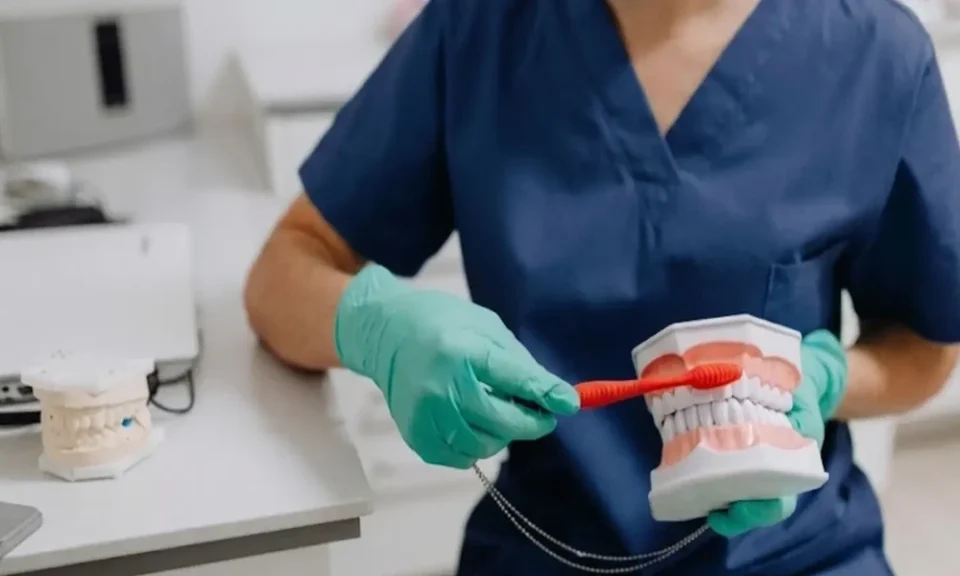
If your child plays football, hockey, basketball, lacrosse, wrestling, or another contact sport, you already know how fast things can go sideways. One bad fall, one elbow to the face, one collision in the wrong moment, and suddenly you are not thinking about the scoreboard. You are thinking about a chipped tooth, a bleeding mouth, or whether that hit caused damage you cannot see yet. If that happens, a kids dentist in Chino can help evaluate the injury and recommend the right treatment.
That is why parents often start looking for answers before the season gets busy. You want to know what kind of protection your child needs, what signs of injury matter, and whether regular checkups are enough for a kid who spends hours in practices and games. The short version is simple. Sports can raise the risk of dental injuries, but the right planning, the right mouthguard, and the right support from a pediatric dentist can lower that risk and make injuries easier to manage if they happen.
Sports dental care for kids starts with the right questions
The first question to ask is whether your child needs a custom mouthguard. Many parents buy a boil and bite guard from a sporting goods store and move on, which makes sense when schedules are packed and costs add up. The problem is that a poor fit can slip, feel bulky, or make breathing and talking harder, so kids stop wearing it the way they should. According to the American Academy of Pediatric Dentistry guidance on sports related orofacial injuries, properly fitted mouthguards help reduce injuries to the teeth and surrounding tissues. If your child has braces, spaces between teeth, or a history of dental trauma, fit matters even more.
The second question is what your child’s actual risk level looks like. Not every contact sport carries the same pattern of injury, and not every child has the same mouth. A child with protruding front teeth, active orthodontic treatment, or a habit of clenching during play may have a higher chance of injury than another player on the same team. You are not overthinking it by asking for an honest risk review. You are trying to prevent a problem that can become painful and expensive very quickly.
The third question is what to do if an injury happens at a game or practice. In that moment, most parents are rattled. Is the tooth loose or just sore? Is this an emergency or something that can wait until morning? If a permanent tooth gets knocked out, timing matters. Quick action can affect whether that tooth can be saved. Having a plan before the season starts keeps panic from running the whole situation.
The fourth question is how sports should change your child’s routine dental care. A child who plays contact sports may need more than the standard reminder to brush and floss. Hydration habits, sports drinks, grinding, soft tissue irritation, and repeated minor impacts can all affect oral health over time. The CDC’s oral health tips for children reinforce the basics, including brushing with fluoride toothpaste, flossing, and limiting sugary drinks. For athletes, those basics matter even more because frequent sipping on acidic or sugary drinks can wear down enamel while a dry mouth during practice can make things worse.
Pediatric sports dentistry protects more than teeth
When parents think about a sports injury, they usually picture a broken front tooth. That is only part of it. A hit to the mouth can injure lips, cheeks, gums, jaw joints, and developing teeth below the surface. Some injuries look minor at first and show up later as discoloration, pain when biting, swelling, or sensitivity. That delayed piece is what catches families off guard. Your child says they are fine, then a week later they cannot chew on one side.
This is where pediatric sports dentistry becomes more practical than it sounds. It is not about making sports feel dangerous. It is about matching dental care to the reality of how your child plays. Research from the National Institute of Dental and Craniofacial Research report on oral health in America shows that oral health affects comfort, eating, sleep, school, and quality of life. For a child athlete, dental pain can also affect focus, confidence, and willingness to keep playing.
Dental care for children in contact sports needs clear planning
| Question to Ask | Why It Matters | What to Listen For |
|---|---|---|
| Does my child need a custom mouthguard? | Better fit can improve comfort, use, and protection | Advice based on sport, age, bite, braces, and past injuries |
| What injuries are most likely in this sport? | Different sports create different impact patterns | Specific risks to teeth, lips, gums, and jaw |
| What should I do right after a dental injury? | Fast action can improve outcomes, especially with permanent teeth | Simple steps for bleeding, swelling, loose teeth, or a knocked out tooth |
| Should sports change my child’s dental checkup routine? | Frequent play, sports drinks, and repeated contact can affect oral health | Timing for exams, imaging, and mouthguard checks |
Dental care for a child who plays contact sports is not only about emergencies. It is also about prevention, follow through, and knowing when a small problem is not actually small. A mouthguard that sits in the bottom of a gym bag does nothing. A chipped tooth that “doesn’t hurt” can still need treatment. A child who breathes through the mouth during games may need extra attention to dryness and decay risk.
Three steps you can take before the next practice
1. Bring up sports at your child’s next dental visit. Do not assume the office already knows how often your child plays or what kind of contact is involved. Mention the sport, the season schedule, any braces, and any past hits to the mouth. That gives the dental team a clearer picture of risk.
2. Check the mouthguard your child is using now. If it is torn, loose, hard to keep in place, or so uncomfortable that your child avoids it, it is not doing the job well. Ask whether a custom option makes more sense. This is one of the easiest ways to improve dental care for children in sports without waiting for an injury.
3. Make an injury plan and keep it simple. Save your dental office number, know where urgent care is, and ask what counts as same day treatment. If a permanent tooth is knocked out, every minute feels long. A plan helps you act instead of freezing.
Good support now can prevent bigger problems later
You do not need to choose between letting your child enjoy contact sports and protecting their teeth. You just need the right questions, clear guidance, and a plan that fits real life. When you talk with a pediatric dentist about mouthguards, injury response, and routine care, you give your child a better chance of staying safe on the field and out of the dental chair for avoidable problems.
If your child plays contact sports, schedule a dental visit and ask these four questions before the season gets away from you.
