
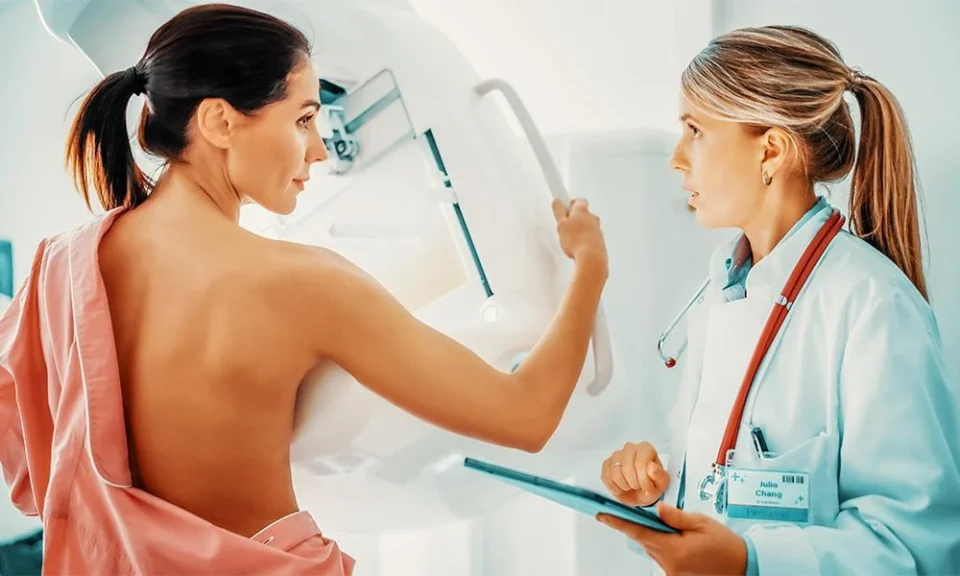
Breast cancer remains one of the most diagnosed cancers globally, yet survival rates have improved dramatically over the past two decades. This progress stems not only from earlier detection but from significant advances in surgical techniques, targeted therapies, and multidisciplinary care models. For patients in the UAE and beyond, understanding how modern treatment approaches preserve both health and quality of life has become essential to making informed decisions during a challenging time.
The shift from purely curative approaches to ones that balance cancer removal with cosmetic outcomes, psychological well-being, and functional preservation represents a fundamental change in oncology care. Treatment decisions now involve considerations that extend well beyond the operating room, touching on insurance coverage, long-term monitoring, and the support systems that sustain recovery over years rather than months.
The Evolution of Breast Cancer Surgery
Traditional mastectomy procedures, while effective at removing cancerous tissue, often left patients facing significant physical and emotional challenges. The psychological impact of breast removal, combined with the physical changes to body symmetry and posture, created long-term quality-of-life concerns that medical teams initially viewed as secondary to survival.
Over the past fifteen years, surgical oncology has moved toward techniques that integrate cancer removal with immediate reconstruction. This approach requires collaboration between surgical oncologists and reconstructive specialists from the initial consultation through post-operative care. The goal is not simply aesthetic-preserving natural breast contours can reduce the need for external prosthetics, minimize postural problems, and support faster psychological adjustment after treatment.
Oncoplastic surgery combines oncological principles with plastic surgery techniques, allowing surgeons to remove larger tumor volumes while reshaping remaining tissue to maintain symmetry. This matters particularly for tumors in challenging locations or cases requiring wider margins. The procedure may involve reshaping both breasts to achieve balance, using tissue rearrangement rather than implants in many cases.
Accessing Specialized Breast Cancer Care in the UAE
The UAE has invested substantially in specialized oncology services over the past decade, with multi-specialty hospitals now offering comprehensive breast cancer programs that mirror international standards. These programs typically integrate diagnostic imaging, genetic counseling, medical oncology, radiation therapy, and surgical services under coordinated care pathways.
For patients diagnosed with breast cancer in Abu Dhabi, access to advanced surgical techniques has expanded significantly. Cleveland Clinic Abu Dhabi offers comprehensive cancer care that includes specialized approaches to tumor removal and reconstruction, with teams experienced in balancing oncological safety with cosmetic outcomes. Patients seeking expertise in techniques that preserve breast appearance while ensuring complete cancer removal may consult with a breast oncoplastic surgeon in abu dhabi who can evaluate whether these approaches suit their specific diagnosis, tumor characteristics, and personal preferences.
The availability of such specialized services within the UAE reduces the need for international medical travel, allowing patients to maintain proximity to family support systems during treatment and recovery. It also simplifies insurance coordination and follow-up care scheduling, both of which become increasingly important as treatment extends over months.
How Treatment Choices Affect Long-Term Health
The physical health implications of breast cancer treatment extend well beyond the immediate post-surgical period. Lymphedema, chronic pain, reduced shoulder mobility, and fatigue can persist for years if not properly managed. Treatment plans that incorporate early physical therapy, realistic expectations about recovery timelines, and proactive monitoring for complications tend to produce better functional outcomes.
Radiation therapy, while often necessary to reduce recurrence risk, carries its own set of long-term considerations. Skin changes, tissue fibrosis, and rarely, cardiac effects must be weighed against the reduction in cancer recurrence. Advances in radiation planning now allow more precise targeting, sparing healthy tissue while delivering effective doses to areas at risk.
Systemic therapies-chemotherapy, hormonal treatments, and targeted biological agents-have become increasingly personalized based on tumor genetics. A tumor’s hormone receptor status, HER2 expression, and genomic profile now guide treatment selection, allowing oncologists to avoid unnecessary chemotherapy in some cases or to add targeted agents that significantly improve outcomes in others. These decisions require detailed pathology analysis and often genetic testing, services that comprehensive cancer centers integrate into standard diagnostic pathways.
The Role of Ongoing Surveillance
Long-term health after breast cancer treatment depends heavily on structured surveillance programs. Mammography schedules, clinical examinations, and in some cases MRI screening help detect recurrences when they are most treatable. For patients who have undergone hormone-sensitive breast cancers, endocrine therapy may continue for five to ten years, requiring monitoring for bone density changes and menopausal symptoms.
Survivorship care plans, increasingly standard in oncology practice, outline these follow-up requirements and assign responsibility among primary care physicians and specialists. These documents help prevent gaps in care that sometimes occur as patients transition from active treatment to long-term monitoring.
Insurance Coverage and Healthcare Access
The financial dimensions of cancer care significantly influence both treatment decisions and long-term health outcomes. Comprehensive insurance coverage affects whether patients can access newer targeted therapies, whether they receive adequate physical therapy during recovery, and whether financial stress compounds the psychological burden of diagnosis.
In the UAE, insurance regulations have evolved to improve coverage for cancer treatment, though variations between policies still exist. Understanding what specific treatments, reconstructive procedures, and supportive services are covered becomes part of treatment planning. Many patients benefit from consulting with hospital financial counselors early in the diagnostic process to clarify coverage and identify any gaps that require planning. For broader context on how insurance structures support ongoing health management, resources on health plan coverage supporting better health security and well-being can provide useful perspectives on navigating healthcare systems effectively.
The relationship between healthcare access and health outcomes extends beyond individual treatment decisions to systemic factors. Healthcare delivery models that coordinate care across specialties, reduce administrative burdens on patients, and provide transparent information about treatment options tend to produce better outcomes. Research into healthcare system design continues to identify features that improve both efficiency and patient experience. Studies examining envisioning better healthcare systems for all patients highlight the importance of integrated care models, which have particular relevance for complex conditions like cancer that require multiple specialists and extended treatment timelines.
Psychological and Social Dimensions of Recovery
Physical healing represents only one component of recovery from breast cancer. The psychological impact of diagnosis, the stress of treatment decisions, changes to body image, and fear of recurrence create challenges that persist long after surgical wounds heal. Comprehensive cancer care increasingly recognizes these dimensions, integrating mental health support, peer support groups, and survivorship programs into treatment pathways.
Social support networks-family, friends, employers, and community resources-play measurable roles in recovery outcomes. Patients with strong support systems tend to adhere better to treatment protocols, report better quality of life, and experience less treatment-related anxiety. Healthcare teams can facilitate this by providing clear communication tools that help patients explain their situation to loved ones and by connecting patients with peer support resources.
Return to work and normal activities follows individual timelines that depend on treatment intensity, occupation type, and personal recovery trajectories. Setting realistic expectations while maintaining hope for full functional recovery requires skilled communication from healthcare teams and realistic information about what different treatment choices entail.
Making Informed Treatment Decisions
The abundance of treatment options in modern breast cancer care creates both opportunities and complexity. Patients benefit from understanding that multiple valid approaches may exist for their specific situation, each with different trade-offs regarding treatment intensity, recovery time, side effects, and cosmetic outcomes.
Second opinions, increasingly common in oncology, provide valuable perspectives without indicating distrust of initial recommendations. Many cancer centers encourage patients to seek additional input on complex cases or when treatment decisions involve significant quality-of-life trade-offs. This practice has become normalized and is often facilitated by referring physicians themselves.
Written treatment summaries, visual aids explaining surgical approaches, and opportunities to speak with patients who have undergone similar treatments all contribute to informed decision-making. The goal is not to overwhelm patients with technical details but to ensure they understand the key choice points and feel confident in the path selected.
Long-term health outcomes in breast cancer reflect advances across the entire spectrum of care-from imaging technology that enables earlier detection to surgical techniques that preserve quality of life, from targeted therapies guided by tumor genetics to supportive care that addresses psychological and social needs. For patients in the UAE, access to these advances has improved substantially, bringing world-class cancer care within reach and supporting better outcomes for those facing this diagnosis.
