
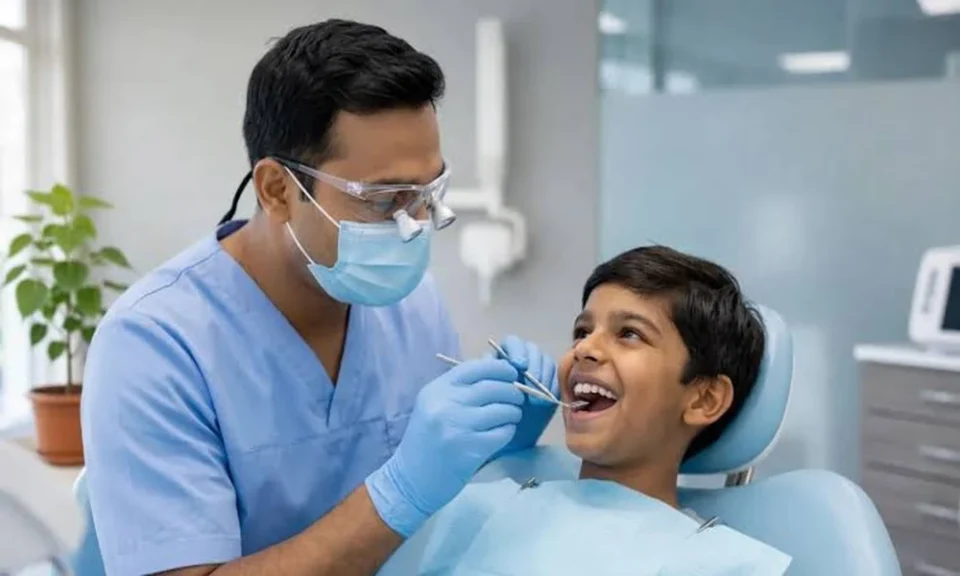
You pack breakfast, remind your child to brush, maybe even skip candy at home, then a dental checkup brings up new spots to watch. That can feel unfair. An Experienced pediatric dental team in Fontana can help explain why. A lot of parents focus on cookies, cupcakes, and holiday treats, yet much of the daily wear on a child’s teeth happens in quieter ways, inside lunch trays, snack lines, and drink cartons that seem harmless.
School lunches and little teeth are connected by more than dessert. The bigger issue is how often teeth are exposed to sugar and starch during the school day, especially through flavored milk, juice drinks, sweetened beverages, crackers, sticky snack bars, and foods that cling to the grooves of back teeth. Cavities do not only start with candy. They often build through routine.
If you have been trying to do the right thing and still worry about your child’s smile, you are not missing something obvious. School food choices are shaped by budget, convenience, taste, and what children will actually eat. Your job is not to control every bite. It is to understand where the pressure points are and lower the risk where you can.
School lunch habits shape pediatric dental health all day long
A child’s mouth does not reset after breakfast. If lunch includes sweetened yogurt, chips, dried fruit, chocolate milk, and a packaged treat, teeth may sit in a cycle of acid attacks for hours. Bacteria feed on sugars and fermentable carbs, then produce acid that weakens enamel. The issue is frequency as much as amount. A single dessert eaten with lunch is often less harmful than sipping a sweet drink slowly through the afternoon.
That is why the tray that looks balanced on paper may still be rough on teeth. Applesauce can be fine, but sticky fruit snacks cling longer. Crackers do not taste sweet, yet they break down into sugars. Sports drinks may sound active and healthy, but many bring the same oral risk as soda. The CDC’s information on sugar sweetened beverages shows how common these drinks are for children and teens. When they show up at school, after school, and with dinner, the exposure adds up fast.
You may also be dealing with a child who eats slowly, trades food, or skips the main meal and fills up on snack items. That pattern matters. A lunch with little protein and lots of simple carbs can leave a child hungry again within an hour, which leads to more grazing and more acid exposure. Teeth do not care whether sugar came from a cupcake or three rounds of “healthy” snack foods.
Children’s oral health goes beyond dessert and into patterns
Research keeps pointing in the same direction. Oral health follows food environments, family routines, and what is available every day. A recent CDC study on children’s oral health and related factors reflects that bigger picture. Cavities are not just about willpower or one bad choice. They are tied to access, habits, and what children learn to expect as normal food.
That can stir up guilt, especially if your child’s school menu is not something you fully control. Guilt does not protect enamel. Small shifts do. Water instead of a sweet drink at lunch can help. Cheese, nuts if allowed, plain yogurt, or a turkey sandwich can protect better than a lunch built from sticky snack foods. Crunchy vegetables help clear food from teeth better than soft processed starches. Timing helps too. Eating sweets with a meal is usually kinder to teeth than having them as a separate snack later.
Healthy school meals and kids’ teeth is not about perfection. It is about reducing repeat exposure and choosing foods that do not linger on the enamel.
Common school lunch choices affect little teeth in different ways
| Lunch Item | Dental Impact | Better Swap |
|---|---|---|
| Chocolate or flavored milk | Added sugar increases acid production, especially when sipped slowly | Plain milk or water |
| Fruit snacks or dried fruit | Sticky texture clings to teeth and stays in grooves | Fresh apple slices or whole fruit with water |
| Crackers, chips, pretzels | Starches break down into sugars and can pack around molars | Cheese, cucumber slices, or a sandwich with protein |
| Juice drinks or sports drinks | Sugar and acid raise cavity risk | Water |
| Granola bars | Often sticky, sugary, and easy to leave behind on teeth | Plain yogurt, hard boiled egg, or unsweetened applesauce with a meal |
This is where a pediatric dentist can be useful in a practical way, not just when a cavity already hurts. If your child keeps getting decay even though brushing happens twice a day, the problem may be hidden in the school routine. A dentist who treats children can spot patterns, check whether sealants would help, and tell you which lunch habits are causing the most damage for your child’s specific teeth.
Simple steps can protect your child’s teeth during the school day
Build lunch around one drink. Make water the default when you can. If milk is part of lunch, keep it plain when possible and avoid sending a second sweet drink. One drink with the meal is easier on teeth than sipping sugar across the afternoon.
Pair carbs with protein or dairy. Crackers alone, cereal bars, and snack mixes are easy, but they tend to feed grazing. Add cheese, nut butter if allowed, beans, eggs, chicken, or yogurt. That supports fullness and reduces the urge to keep snacking.
Ask for a dental review before small issues grow. White spots near the gums, food packing between teeth, or repeated cavities in back molars are early warnings. A child focused dental visit can help you adjust home care, talk through lunch choices, and decide whether fluoride treatments or sealants make sense.
Protecting little teeth at school starts with manageable changes
You do not need a flawless lunchbox and you do not need to fear every treat. What matters is the pattern your child lives in most days. Fewer sweet drinks, fewer sticky processed snacks, and better timing around meals can lower cavity risk more than simply removing dessert.
School lunch dental health is really about seeing the whole school day for what it is. If your child’s teeth keep struggling, a pediatric dentist can help connect the dots and give you a plan that fits real life.
