
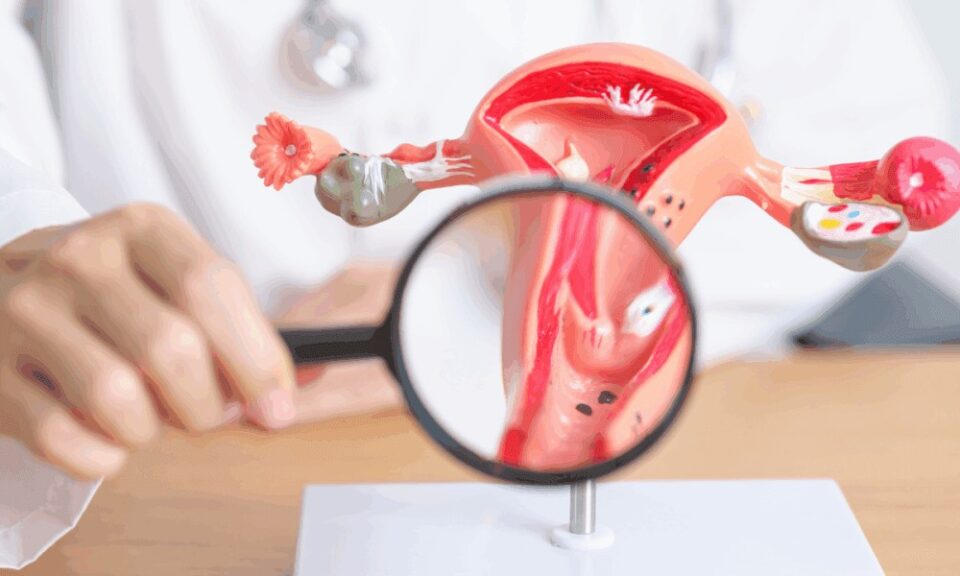
Cervical cancer is a condition that is likely to progress without leaving any symptoms in the initial stages. Women often confuse the signs when they appear with the less serious conditions such as infections or hormone changes. This guide indicates the major cervical cancer symptoms (子宮頸癌 症狀) that must not be overlooked at any cost. The awareness of such symptoms will result in the diagnosis at an earlier stage and much improved treatment outcome.
Exploring the symptoms of cervical cancer
Abnormal vaginal bleeding
The most common symptom of cervical cancer at the early stage is unusual bleeding which is ignored by many women. Note the bleeding between normal periods, after sexual intercourse or after the menopause has already taken place. The following are the bleeding trends to be addressed by the doctor immediately:
- Post coital spotting: Any bleeding or slight spotting after sexual intercourse must be investigated regardless of the lightness.
- Intermenstrual bleeding: The presence of blood in between the normal menstrual cycles, even once, is the indicator of the necessity of pelvic examination.
- Post menopausal bleeding: Blood in the vagina after the termination of menopause is never usual and should be reported to the physician.
- Heavier periods: Periods that become significantly heavier or several days longer than usual can be an indication of shifts of the cervix.
Unusual vaginal discharge
Persistent discharge that is not in the usual patterns could be the indication of early cervical alterations. The discharge could be watery, pinkish or could have traces of a little amount of blood. The following are the discharge characteristics to be medically studied:
- Increased volume: Obvious discharge, above normal, and the linens or underwear have to be changed very often.
- Foul odor: This is a foul smell that persists despite good hygiene habits and as such, needs to be investigated.
- Pink or brown tinge: Discharge streaked with blood, pinkish or brown, not linked with the menstrual period.
- Watery consistency: This is characterized by a thin, watery discharge which leaks unpredictably unlike normal patterns of cervical mucus.
- Persistent nature: Discharge that lasts a number of weeks and shows no improvement no matter how much the patient is being cared for at home.
Pelvic or lower back pain
Early cervical cancer can be an indication of unexplainable pain in the lower back or in the pelvic area. Such pain can be dull, aching or like terrible menstrual cramps. The following are the pain characteristics that would warrant the visit of a doctor:
- Constant pressure: This is a sensation of fullness or the pressure in the lower abdomen, which does not have a periodical nature.
- Deep discomfort: This is pain that is felt in the deep part of the pelvis during intercourse and not on the surface.
- Radiating pain: The discomfort that is experienced on the pelvic region and extends to the lower back or upper thighs.
- Position changes: Pain which increases when he or she lies down or when the bladder fills up.
- Activity related: The discomfort that is aggravated by specific movements or standing.
Pain during intercourse
Pain during or after having sex is never normal and it should be addressed. This symptom is frequently dismissed as usual discomfort but this symptom can be indicative of changes in the cervix. The following are the symptoms to observe:
- Post intercourse bleeding: The bleeding, which occurs after sex, even without pain during the time.
- Increasing sensitivity: The pain becomes more severe with time or with each sexual intercourse.
- Position-related: This is discomfort that varies according to position indicating a particular focus of abnormality.
- Associated discharge: This may be supported with pain, abnormal discharge or bleeding following the act.
Conclusion
The ability to identify the symptoms of early cervical cancer helps to save lives since medical assessment is timely carried out. Pelvic pain, abnormal bleeding, change in the urine or discomfort during sex are all symptoms that should make one visit the doctor. Similar to this, regular Pap smears are necessary since cervical cancer at an early stage is not usually accompanied by symptoms.
