
Teeth whitening has become one of the most popular cosmetic dental treatments for patients looking to brighten their smiles and reduce visible stains. From coffee and tea to aging and tobacco use, several everyday factors can gradually affect tooth colour over time.
While whitening products are widely available online and in stores, many patients wonder whether professional teeth whitening is actually safe for their teeth and gums. Understanding how whitening treatments work – and when they should be supervised by a dental professional can help patients make more informed decisions about cosmetic dentistry in Cambridge.
Why Teeth Become Discoloured
Tooth discolouration can develop for many reasons, and not all stains respond the same way to whitening treatments.
Common causes of tooth staining include:
- Coffee and tea consumption
- Red wine
- Smoking or tobacco use
- Aging and enamel wear
- Certain medications
- Poor oral hygiene
- Foods with strong pigments
Some stains affect the outer enamel surface, while others develop deeper inside the tooth structure. This is one reason whitening results can vary between patients.
How Professional Teeth Whitening Works
Professional whitening treatments typically use peroxide-based whitening agents designed to break down stain molecules within the enamel.
Compared to over-the-counter products, professional whitening systems often use stronger but carefully controlled whitening formulas. Dental professionals also customize treatment based on the patient’s oral health, tooth sensitivity, and cosmetic goals.
Depending on the method used, whitening may be completed:
- In-office during a dental appointment
- Through customized take-home trays
- Using a combination of both approaches
Because the process is supervised professionally, treatment can often be adjusted to improve comfort and reduce unnecessary irritation.
Is Professional Whitening Generally Safe?
For most healthy patients, professional teeth whitening is considered safe when performed under proper dental supervision.
Before recommending whitening treatment, dentists typically examine the teeth and gums to identify issues such as:
- Cavities
- Gum disease
- Cracked teeth
- Exposed roots
- Existing restorations
Treating these concerns first may help reduce the risk of discomfort or complications during whitening.
Professional supervision is important because whitening products are not suitable for every patient or every type of discoloration.
Tooth Sensitivity Is the Most Common Side Effect
Temporary tooth sensitivity is one of the most frequently reported side effects of whitening treatment.
Some patients notice increased sensitivity to:
- Cold beverages
- Hot foods
- Air exposure
This sensitivity usually improves within a few days after treatment. Dentists may recommend desensitizing toothpaste or modified whitening schedules for patients who are more prone to sensitivity.
The intensity of sensitivity often depends on factors such as enamel thickness, pre-existing dental conditions, and whitening concentration.
Gum Irritation Can Occur if Products Are Misused
Whitening gels can sometimes irritate the gums if they come into prolonged contact with soft tissues.
During professional whitening, protective barriers and customized trays help minimize unnecessary exposure to the gums. This is one reason professionally supervised treatment may offer greater safety compared to improperly used over-the-counter products.
Using whitening products too frequently or without guidance may increase the risk of irritation and enamel sensitivity.
Whitening Does Not Work on All Dental Restorations
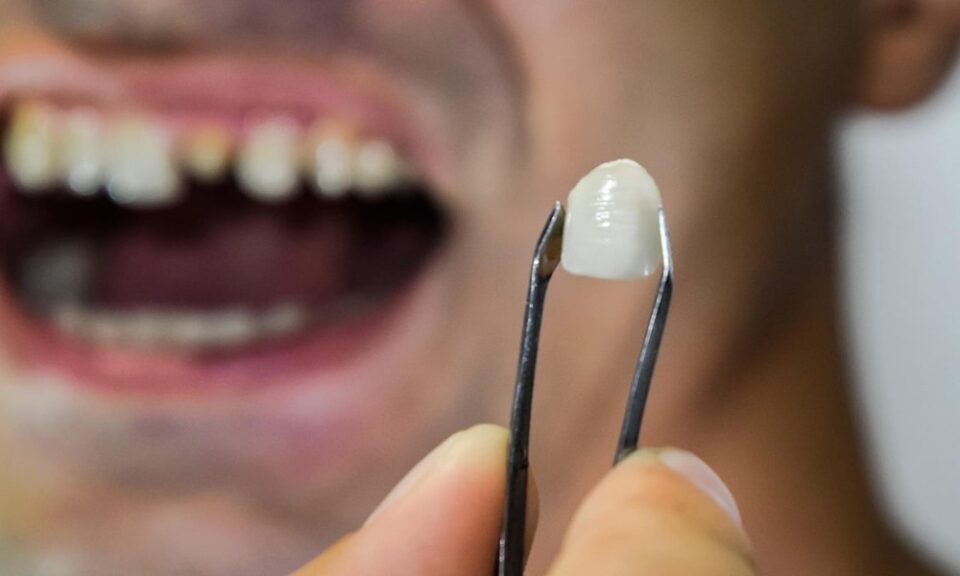
An important detail many patients do not realize is that whitening treatments generally do not change the colour of restorations such as:
- Crowns
- Veneers
- Fillings
- Bonding materials
As a result, uneven colour matching can sometimes occur if restorations are present in visible areas of the smile.
Patients considering cosmetic improvements often explore cosmetic dental treatments to better understand how whitening may fit into a broader smile enhancement plan.
Overusing Whitening Products May Cause Problems
More whitening is not always better.
Excessive or repeated use of whitening products without professional guidance may contribute to:
- Increased tooth sensitivity
- Gum irritation
- Uneven whitening
- Enamel dehydration
Following professional recommendations regarding frequency and duration is important for maintaining both cosmetic results and oral health.
When Whitening May Not Be Recommended
Some patients may not be ideal candidates for whitening treatment immediately.
Whitening may be postponed or modified if a patient has:
- Untreated cavities
- Active gum disease
- Severe enamel erosion
- Significant tooth sensitivity
- Certain types of intrinsic staining
A dental evaluation helps determine whether whitening is appropriate and what method may be safest for the individual patient.
FAQs
Is professional teeth whitening safer than store-bought kits?
Professional whitening is generally more controlled because dentists evaluate oral health first and customize treatment to reduce unnecessary risks.
Does whitening damage enamel?
When performed appropriately under professional supervision, whitening treatments are generally considered safe for enamel.
How long does teeth whitening sensitivity last?
Sensitivity is usually temporary and often improves within a few days after treatment.
Can crowns or veneers be whitened?
No. Most dental restorations do not respond to whitening products the same way natural teeth do.
How long do whitening results typically last?
Results vary depending on diet, oral hygiene, smoking habits, and lifestyle factors. Some patients maintain results for months or longer with proper care.
Patients interested in whitening their smiles should consider scheduling a professional dental consultation to determine the safest and most effective treatment options based on their oral health and cosmetic goals.
Cambridge Centre Dental Care offers personalized teeth whitening consultations to help patients achieve a brighter, healthier-looking smile safely and effectively.
