
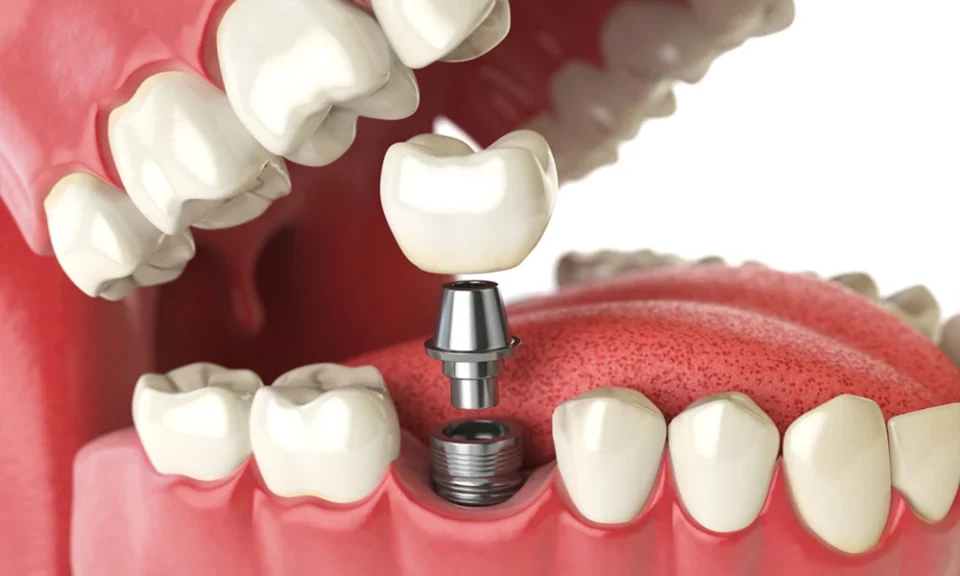
All-on-4 dental implants can provide a stable, fixed solution for people who have lost most or all of their teeth. The actual treatment costs, though, may differ from one patient to another and from one dentist to another. Patients can benefit from knowing the principal issues that impact pricing which can aid in comparing treatment plans and in preparing for the overall investment.
Before committing to treatment, patients should understand that the all on 4 implants cost is not determined by the implants alone. The overall investment can include consultations, diagnostic imaging, extractions, implant placement, temporary teeth, and the final prosthetic restoration. Additional procedures, such as bone grafting or treatment for existing gum problems, may also increase the total. Asking the dental provider for an itemized treatment estimate can make it easier to understand what is included and compare options accurately.
The number and type of implants.
The All-on-4 treatment concept typically employs four implants to hold up to a whole dental arch, but it depends on the specific implant system and components which can have an impact on the cost. The design, materials and warranties of the implant vary from brand to brand. The implant system quality and technology may affect the treatment cost.
Prosthetic Teeth and Materials
Different materials for the replacement teeth can be used on the implants. There are materials available other than acrylic, composite, or zirconia, which may have a different look, strength, durability and/or cost. The overall price may be higher if a more advanced, or highly custom-made, prosthesis is required. Patients should inquire about the options available in their treatment package and know what each option has to offer and the drawbacks of such.
Jawbone Condition
Treatment costs may be greatly affected by the condition of the jawbone. A few patients may have sufficient bone to position implants, whereas others might need more procedures. If a bone graft or some other preparatory treatment is required, the treatment cost and length of treatment may be higher. The 3D imaging and detailed examination will provide the dental team with information as to whether more procedures are needed.
the treatment that needs to be carried out before the extraction.
In some cases, patients with some remaining damaged or unhealthy teeth may need to have them extracted before the placement of the implant. Additional treatment for the gums, infection or other dental treatment could also be required. These services can be part of their quoted price or both services may be done separately, so patients need to find out before commencing treatment whether these services are part of the quoted price or if it is an extra fee.
The dentist’s experience and all clinic facilities.
Treatment prices may rely on the skills and experience of the dental practitioner. It is important to plan a full-arch implant very carefully, mastering surgery, and understanding prosthetics. Clinics that have a team of experienced implants and the best facilities might charge more due to their expertise, equipment, and operational costs.
Diagnostic Technology
Today, digital scans, X-rays, a 3D image of the mouth and computer-assisted planning may take place during treatment. Such technologies can be used for accurate diagnosis and positioning of the implants. They can be part of the up-front cost but careful planning is a critical component of a safe and predictable treatment.
Temporary and Permanent Restorations
Patients with implants might receive temporary teeth in the meantime before they get a permanent prosthesis. The cost of materials, design and any lab work may impact the final cost for both restorations. The patient should inquire about the possibility of temporary and permanent teeth in the treatment estimate.
Location and Maintenance
The cost of dentistry can be different in different parts of a country and even different in different cities. Long-term maintenance should also be taken into account. There can be extra costs for the follow-up visits as well as future replacement of the prostheses, repairs, adjustments and professional cleaning.
Conclusion
Various factors such as implant systems, materials used in the prosthetics, bone condition, preparatory steps, experience, technology, and follow-up care contribute to the cost of All-on-4 implants.
