
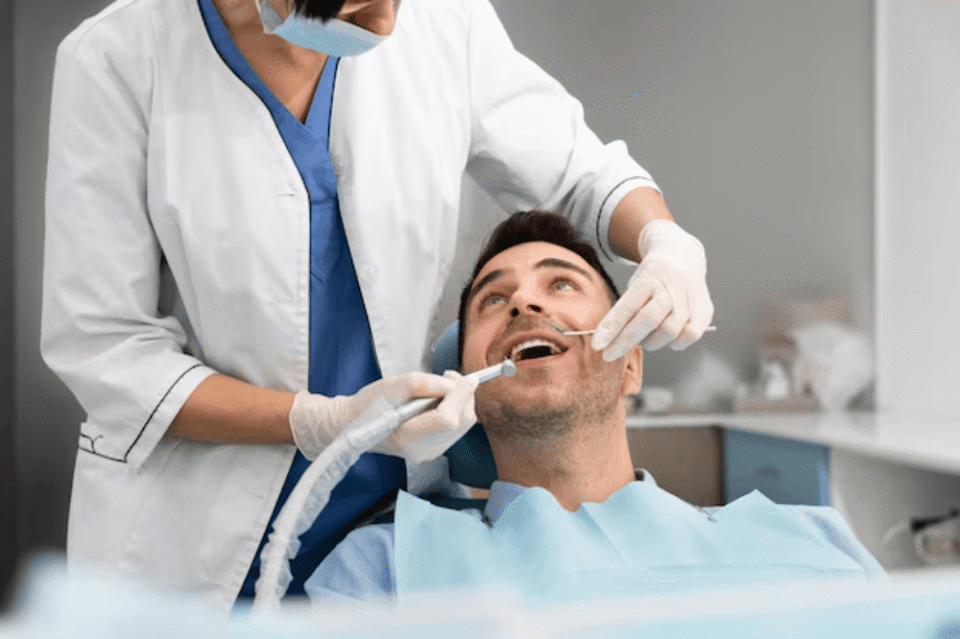
You might be doing what many people do, putting off a dental visit because your teeth feel fine, or assuming an appointment is mostly about polish, rinse, and a reminder to floss more. That is understandable. Life gets busy, money matters, and if nothing hurts, it is easy to think a cleaning can wait, even if you have been meaning to see a dentist in Utica, MI. Still, that quiet period before pain starts is often when the most important parts of a dental visit happen. A dental exam is not just a quick look before a cleaning. It is a chance to catch decay, gum problems, bite issues, and even signs of disease early, when treatment is usually simpler and less costly.end
That is why Why Dental Exams In General Dentistry Are More Than Just A Cleaning matters so much. A routine visit can protect more than your smile. It can help protect your comfort, your budget, and your overall health.
What are dental exams really checking for beyond clean teeth?
When people think about a cleaning, they usually picture plaque being removed and teeth being polished. That is only one part of the visit. During a dental exam, your dentist is looking for things you may not be able to see or feel yet. Small cavities can hide between teeth. Gum disease can start with mild bleeding that seems easy to ignore. Cracks in fillings, worn enamel, jaw tension, and bite changes can all build slowly over time.
Because these issues often start quietly, waiting for pain can create bigger problems. A small cavity may turn into a deep infection. Mild gum inflammation may progress to bone loss. A rough spot on a tooth may become a fracture. What seems minor now can become treatment that takes more time, more money, and more stress later.
So, where does that leave you? It means a visit to a general and restorative dentist is doing much more than making teeth look cleaner. It is preventive care, early detection, and a chance to build a plan before a problem takes over your schedule or your sleep.
Why does oral health affect more than your mouth?
Your mouth is connected to the rest of your body, which is why dental exams matter in a broader way. The CDC explains oral health as an important part of overall health and well being. Problems in the mouth can affect eating, speaking, confidence, and daily comfort. Gum disease and untreated decay can also lead to infection and inflammation that place extra strain on your body.
There is also the issue of oral cancer screening, which many people do not realize is often part of a regular exam. Your dentist may check your tongue, cheeks, gums, throat, and other soft tissues for unusual spots or changes. The National Institute of Dental and Craniofacial Research discusses oral cancer and why early detection matters. Finding something early can change the course of care in a very real way.
If you have ever wondered why the appointment feels longer than a simple cleaning should, this is a big reason. A routine dental checkup is often one of the few times someone is carefully examining these areas on a regular basis.
What can happen when you skip regular exams?
Skipping visits does not always lead to immediate pain, which is part of what makes it so easy to delay them. But dental problems often grow in the background. You may feel fine while a cavity deepens or while gum disease slowly advances. By the time you notice swelling, sensitivity, or a broken tooth, the fix may be much larger than it would have been months earlier.
Think of a common what if scenario. You miss a couple of appointments because work is hectic and nothing seems wrong. Then one day, a tooth cracks while eating. What might have been managed with a small filling or a nightguard now may involve a crown, root canal, or tooth replacement. The problem is not just clinical. It can mean missed work, surprise costs, and the stress of needing care fast.
According to MedlinePlus information about dental exams, these visits help identify tooth decay, gum disease, and other oral health concerns before they become more serious. That early warning is often the difference between maintenance and repair.
How does a cleaning compare to a full exam in general dentistry?
It helps to separate the two. A cleaning focuses on removing buildup and reducing the risk of decay and gum disease. An exam looks at the bigger picture. Together, they work best. On their own, each one tells only part of the story.
| Part of the Visit | What It Focuses On | Why It Matters |
|---|---|---|
| Cleaning | Removing plaque, tartar, and surface stains | Helps lower the risk of cavities, bad breath, and gum irritation |
| Dental Exam | Checking teeth, gums, bite, restorations, soft tissues, and signs of disease | Finds problems early, including decay, gum disease, damage, and suspicious tissue changes |
| X rays when needed | Looking between teeth and below the surface | Can reveal hidden decay, bone loss, infection, or impacted teeth |
| Restorative planning | Reviewing worn fillings, cracks, missing teeth, or bite issues | Helps prevent small issues from becoming larger repairs |
What can you do right now to protect your oral health?
1. Pay attention to quiet warning signs. Bleeding when you brush, new sensitivity, bad breath that lingers, or a rough edge on a tooth may seem small, but they deserve attention. You do not need severe pain for something to be worth checking.
2. Keep preventive visits on your calendar. Regular exams give your dentist a baseline, which makes it easier to spot change early. That is one of the biggest benefits of oral exams and cleanings. They help catch the subtle things before they become urgent.
3. Ask what the exam found, not just whether your teeth were cleaned. A good visit should leave you knowing the condition of your gums, whether any restorations are wearing down, if your bite is causing strain, and what to watch before your next appointment.
Why is a dental exam one of the smartest parts of preventive care?
If you have ever thought a dental visit was only about getting your teeth cleaned, you are not alone. But the exam is often the part that protects you most. It can uncover problems early, support your overall health, and help you avoid more difficult treatment later. That peace of mind matters.
Taking care of your mouth does not have to start with a crisis. It can start with one simple appointment and a clearer picture of what is going on before discomfort takes over. If you have been putting it off, now is a good time to schedule your next visit and give yourself the benefit of early answers and steady care.
