
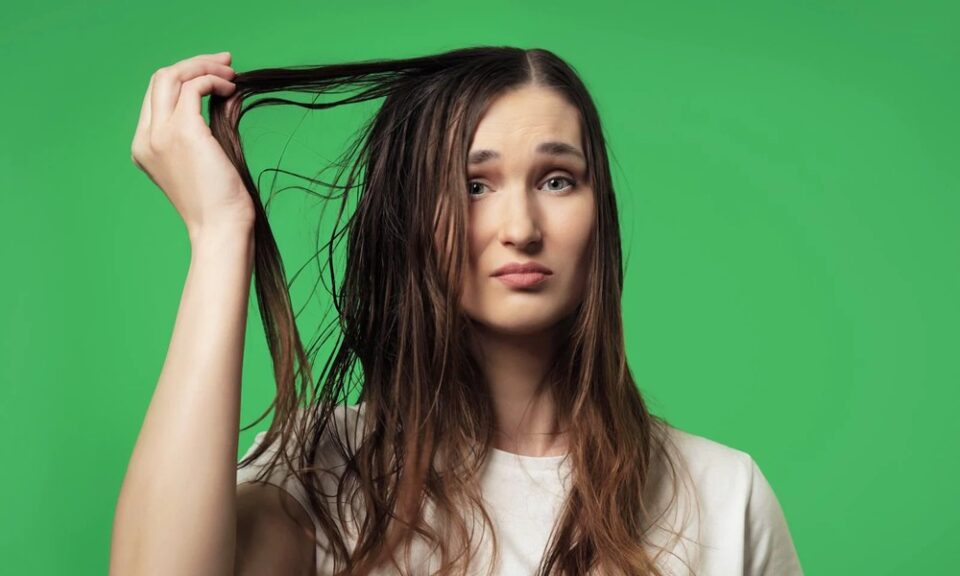
Few things are as frustrating as spending time on a thorough hair wash, only to find your roots looking slick and greasy by the next afternoon. This common grievance is a frequent topic of conversation in grooming circles from London to Mumbai. While we often blame our genes or the humid climate, the reality of “second-day grease” is usually a complex interplay between biology and the way we manage our daily routines including how often we use shampoo and the type of products we choose. To solve the riddle of oily hair, one must look beyond the surface and understand how the scalp reacts to various external stimuli and internal changes.
The Paradox of Over-Washing
One of the most frequent reasons for rapid oil production is, ironically, washing your hair too often. When you use a harsh shampoo every single day, you may be stripping away the essential natural oils that protect your scalp. In response to this perceived dryness, your sebaceous glands go into overdrive to replenish the lost moisture. This creates a vicious cycle where the more you wash to remove the oil, the more oil your body produces to compensate, leaving your hair feeling heavy and limp mere hours after you step out of the shower.
Choosing the Correct Formulation
The chemistry of the formulas you apply to your scalp plays a pivotal role in maintaining balance. For those struggling with persistent oiliness, using a formulation like matrix shampoo can make a significant difference. These formulations are often engineered to cleanse effectively without causing the rebound oil production associated with more aggressive detergents. By selecting a shampoo specifically designed to balance the scalp’s pH levels, you provide a stable environment that allows your hair to stay fresher and more voluminous for a longer duration between washes.
Residual Build-up and Rinse Quality
Sometimes, the culprit is not the oil itself but the residue left behind by various treatments. If you do not rinse your hair thoroughly, or if you apply a heavy haircare product too close to the roots, it can create a dull film that attracts dust and grime. Conditioners, serums, and styling waxes should ideally be restricted to the mid-lengths and ends of your hair. When these substances sit on the scalp, they clog the pores and weigh down the hair follicles, giving the appearance of greasiness even when the scalp is technically clean.
Environmental and Lifestyle Factors
External factors such as heat and humidity can significantly accelerate the spread of sebum down the hair shaft. In warmer climates, sweat mixes with natural oils, making the hair appear oily much faster than in cooler, drier environments. Additionally, the habit of frequently touching or running your fingers through your fringe transfers oils from your hands directly onto your strands. Even your pillowcase can be a hidden factor; if not changed regularly, it can harbour residual oils and bacteria that are transferred back to your freshly washed hair while you sleep.
Achieving Long-Term Scalp Harmony
To fix the issue of premature oiliness, start by gradually extending the time between washes to “re-train” your scalp. Using lukewarm water instead of hot water can also prevent the sebaceous glands from being over-stimulated by heat. Incorporating a weekly clarifying treatment can help remove stubborn mineral deposits from hard water and product build-up. By treating your scalp with top quality haircare products and the same precision as you would to your face, you can achieve a balanced, healthy mane that remains buoyant and clean, allowing you to move through your week with effortless confidence and poise.
