
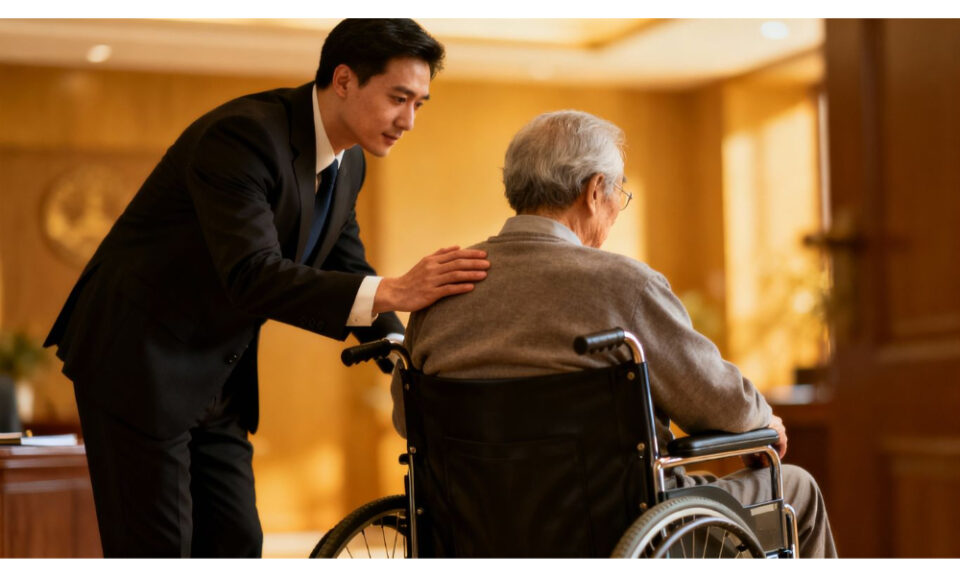
It’s a difficult truth that sometimes, the very places meant to care for our elderly loved ones can fail them, leading to tragic outcomes. When a resident’s death is the result of substandard care or outright abuse, it can open the door to a wrongful death lawsuit. This isn’t about finding blame for every unfortunate event, but about holding facilities accountable when their actions or inactions directly cause harm.
Identifying Signs of Neglect and Abuse
Recognizing that something is wrong is the first step. Families should be aware of common indicators that might suggest a resident is not receiving proper care. These signs aren’t always obvious, and sometimes they develop slowly.
- Sudden or unexplained weight loss: This could point to inadequate nutrition or feeding assistance.
- Unhealed bedsores or pressure ulcers: These often develop when residents aren’t moved or repositioned regularly.
- Frequent falls or injuries: This might indicate a lack of supervision, unsafe environments, or insufficient assistance with mobility.
- Poor hygiene or an unkempt appearance: This can be a sign that basic personal care is being neglected.
- Unexplained bruises, cuts, or other injuries: These could be signs of physical abuse or falls that weren’t properly documented or addressed.
- Sudden changes in behavior: Increased agitation, withdrawal, or fear, especially around staff, can be red flags.
Common Causes of Wrongful Death in Nursing Homes
Several types of neglect and abuse can unfortunately lead to a resident’s death. Understanding these common causes helps families know what to look for.
- Malnutrition and Dehydration: Residents may not receive enough food or fluids, leading to serious health complications.
- Falls: Inadequate supervision, unsafe walking surfaces, or failure to provide mobility aids can result in fatal falls.
- Infections: Poor hygiene, failure to follow infection control protocols, or delayed treatment of infections can become life-threatening.
- Medication Errors: Administering the wrong dosage, the wrong medication, or failing to administer medication altogether can have severe consequences.
- Physical or Sexual Abuse: While harder to detect, these acts can cause severe physical and psychological trauma, sometimes leading to death.
- Wandering and Elopement: If a facility fails to properly monitor residents, especially those prone to wandering, they could get lost or injured.
The Legal Definition of Negligence in Elder Care
In legal terms, negligence occurs when a nursing home or its staff fails to provide the level of care that a reasonably prudent caregiver would under similar circumstances, and this failure results in harm or death. It’s not just about making a mistake; it’s about failing to meet a standard of care. This involves several key elements:
- Duty of Care: Nursing homes have a legal and ethical obligation to provide a safe environment and appropriate care for their residents.
- Breach of Duty: This means the facility or its staff failed to meet that standard of care. Examples include not responding to call lights promptly, failing to administer medications correctly, or not providing adequate supervision.
- Causation: The breach of duty must have directly caused the resident’s death. It’s not enough that neglect occurred; it must be proven that the neglect led to the fatal outcome.
- Damages: The death resulted in losses, such as financial expenses and emotional suffering for the surviving family members.
⠀
Initiating a Nursing Home Wrongful Death Lawsuit
When a resident’s death is suspected to be the result of neglect or abuse in a nursing home, families may consider pursuing a wrongful death lawsuit. This legal action seeks to hold the facility accountable for the loss of their loved one. Understanding the process for initiating such a claim is the first step for grieving families.
Who Can File a Wrongful Death Claim?
Generally, the right to file a wrongful death lawsuit belongs to the surviving family members of the deceased. State laws dictate who qualifies as a proper party to bring the claim. This typically includes:
- The deceased’s spouse
- Children of the deceased
- Parents of the deceased (especially if the deceased was a minor)
- In some cases, other relatives or the estate’s administrator may be permitted to file.
It is important to consult with an attorney to determine who has the legal standing in your specific situation.
Statute of Limitations for Filing Claims
There are strict time limits, known as statutes of limitations, for filing a wrongful death lawsuit. These deadlines vary significantly by state and depend on the circumstances of the death. Missing the deadline means losing the right to sue, regardless of the merits of the case. For example, a statute of limitations might be two years from the date of death, but certain conditions could alter this period. It is vital to act promptly to preserve your legal options.
Gathering Essential Evidence for Your Case
Building a strong wrongful death case requires thorough evidence collection. This evidence helps demonstrate that the nursing home’s actions or inactions directly led to the resident’s death. Key types of evidence include:
- Medical Records: This encompasses all records from the nursing home, hospitalizations, doctor’s visits, and any diagnostic tests. These documents can show the resident’s condition, the care provided, and any documented injuries or decline.
- Incident Reports: Any reports filed by nursing home staff regarding accidents, falls, medication errors, or changes in the resident’s condition are critical.
- Photographs and Videos: Visual evidence of the resident’s condition, any injuries, or the living environment can be very persuasive.
- Witness Testimony: Statements from family members, friends, other residents, or former staff members who observed the care provided can offer valuable insights.
- Financial Records: Bills, invoices, and proof of expenses related to the resident’s care and final arrangements may be relevant for calculating damages.
Proving Liability in a Nursing Home Wrongful Death Lawsuit
When a resident passes away in a nursing home, and there’s a suspicion that neglect or abuse played a role, families often consider a wrongful death lawsuit. But how do you actually prove the nursing home is responsible? It’s not as simple as just pointing fingers; there are specific legal elements that need to be established. The core of any successful claim rests on demonstrating that the facility failed in its responsibilities, and this failure directly led to the resident’s death.
Establishing the Duty of Care Owed to Residents
First off, nursing homes have a legal obligation, known as a duty of care, to provide a safe and healthy environment for their residents. This isn’t just a vague promise; it’s a set of standards and practices that facilities are legally required to follow. This duty includes things like:
- Providing adequate medical care and supervision.
- Ensuring residents receive proper nutrition and hydration.
- Maintaining a safe living space, free from hazards.
- Protecting residents from harm by staff or other residents.
- Responding appropriately to changes in a resident’s health condition.
This duty is owed to every single person living in the facility, and it’s the foundation upon which any negligence claim is built. You can think of it as the baseline expectation for how a nursing home should operate. Proving nursing home negligence requires demonstrating that the facility breached its duty of care, and this breach directly resulted in harm to a resident.
Demonstrating Breach of Duty by Facility Staff
Once the duty of care is established, the next step is to show that the nursing home, through its staff or policies, failed to meet that standard. This is the ‘breach of duty.’ It means the facility did something it shouldn’t have done, or failed to do something it should have done. Examples of a breach could include:
- Ignoring a resident’s calls for help.
- Failing to administer prescribed medications correctly.
- Not following proper procedures for preventing bedsores or infections.
- Allowing a resident to wander off the premises.
- Using excessive force or verbal abuse.
This part often involves looking at specific incidents, staff training records, facility policies, and witness accounts. It’s about showing a departure from what a reasonably prudent nursing home would do under similar circumstances.
Connecting Negligence to the Resident’s Demise
This is often the most challenging part of a wrongful death case. You can’t just show that the nursing home was negligent; you have to prove that this negligence directly caused the resident’s death. This is called causation. For instance, if a resident developed a severe infection because staff didn’t change their bandages as ordered, and that infection ultimately led to their death, then causation is likely present. However, if the resident had a pre-existing, terminal illness that would have caused death regardless of the nursing home’s actions, proving causation becomes much harder. Medical records, autopsy reports, and expert witness testimony from doctors are frequently used to establish this critical link. Families typically have a two-year limitation period from the date of death to file a wrongful death lawsuit.
Damages Recoverable in Wrongful Death Cases
When a loved one passes away due to nursing home neglect, the surviving family members may be able to recover compensation for their losses. These damages aim to address the financial and emotional impact of the death. It’s important to understand what types of compensation might be available.
Financial Losses and Survivors’ Economic Damages
One of the primary categories of damages involves the financial support the deceased resident would have provided. This can include:
- Lost income: If the resident was still working or contributing financially to the household.
- Loss of future earnings: The potential income the resident would have earned over their lifetime.
- Medical expenses: Costs incurred before the resident’s death related to the neglect or injury.
- Funeral and burial costs: Expenses associated with laying the loved one to rest.
These economic damages are calculated to replace the financial contributions the family has lost. The goal is to make the family whole again, as much as money can.
Compensation for Emotional Suffering and Loss of Companionship
Beyond financial losses, families can also seek compensation for the non-economic impact of their loved one’s death. This includes:
- Loss of companionship: The absence of the deceased’s presence, guidance, and affection.
- Emotional distress: The grief, sorrow, and mental anguish experienced by the survivors.
- Loss of consortium: For a spouse, this can cover the loss of the marital relationship.
These damages are more subjective but are a significant part of a wrongful death claim. They acknowledge the profound emotional void left by the resident’s passing. Families often find that pursuing these damages helps them in their grieving process, as it validates the depth of their loss. You can find more information about nursing home wrongful death claims.
Punitive Damages in Cases of Egregious Misconduct
In some situations, the nursing home’s conduct may be so reckless or intentional that punitive damages are awarded. These are not meant to compensate the family for a specific loss but rather to punish the wrongdoer and deter similar behavior in the future. Punitive damages are typically reserved for cases where there is clear evidence of malice, fraud, or gross negligence on the part of the facility or its staff. They serve as a strong message that such behavior will not be tolerated.
Navigating the Legal Process of a Lawsuit
The Role of Legal Counsel in Wrongful Death Claims
When a family faces the devastating loss of a loved one due to nursing home neglect, the legal process can seem overwhelming. This is where a lawyer becomes indispensable. Attorneys specializing in nursing home abuse and neglect cases understand the complexities of these lawsuits. They guide families through each step, from initial investigation to potential court proceedings. Their primary role is to advocate for the family’s rights and seek justice for their loss. This involves:
- Investigating the circumstances surrounding the resident’s death.
- Gathering and analyzing evidence, including medical records and witness statements.
- Communicating with the nursing home’s legal team and insurance adjusters.
- Filing necessary legal documents within strict deadlines.
Without legal representation, families may struggle to understand their rights or effectively pursue a claim, potentially missing out on compensation they are rightfully owed.
Settlement Negotiations Versus Trial Proceedings
Most nursing home wrongful death lawsuits do not go to trial. Instead, they are resolved through settlement negotiations. This is a process where the family’s attorney and the nursing home’s representatives (or their insurance company) discuss a potential agreement to resolve the case outside of court. The goal is to reach a compensation amount that the family finds acceptable.
However, if a fair settlement cannot be reached, the case may proceed to trial. At trial, a judge or jury will hear evidence from both sides and make a decision on liability and damages. While trials can result in larger awards, they are also more time-consuming, costly, and emotionally draining for the family. Attorneys will advise families on the strengths and weaknesses of their case to help them make informed decisions about whether to settle or go to trial.
Potential Challenges and Resolutions in Litigation
Litigating a nursing home wrongful death case can present several challenges. Nursing homes may dispute the cause of death, argue that the resident’s condition was unavoidable, or claim that their staff followed proper procedures. They might also try to shift blame to the resident or their family. Proving that the facility’s actions or inactions directly led to the resident’s death is often the central challenge.
Resolving these challenges typically involves:
- Thorough Investigation: Gathering extensive evidence to build a strong case.
- Expert Testimony: Engaging medical experts to explain complex medical issues and link the neglect to the death.
- Negotiation and Mediation: Working with mediators to facilitate discussions and find common ground for settlement.
- Trial Preparation: If settlement fails, meticulously preparing for court by organizing evidence and witness testimony.
⠀
Choosing the Right Legal Representation
When a nursing home’s actions or inactions lead to a resident’s death, families face immense grief and a complex legal path. Selecting the right attorney is a significant step in seeking accountability and compensation. It’s not just about finding any lawyer; it’s about finding one who truly understands the specific challenges of nursing home abuse and neglect cases.
Experience in Nursing Home Abuse and Neglect Cases
Not all lawyers are equipped to handle wrongful death claims stemming from elder care facilities. Look for legal professionals who have a proven track record in this specialized area. This means they should be familiar with:
- The common types of neglect and abuse that occur in nursing homes.
- The specific laws and regulations governing elder care facilities.
- How to build a strong case against facilities that prioritize profit over resident safety.
An attorney with this focused experience will know how to investigate thoroughly, gather the right kind of evidence, and present your case effectively. They understand the unique vulnerabilities of nursing home residents and the tactics facilities might use to defend themselves. Finding a lawyer who has successfully represented families in similar situations can make a substantial difference in the outcome of your case. If you’re considering legal action, a wrongful death lawyer can help you seek justice for your loss.
Understanding Attorney Fees and Costs
Most attorneys who handle nursing home wrongful death lawsuits work on a contingency fee basis. This means they only get paid if they win your case, either through a settlement or a court verdict. Their fee is a percentage of the compensation awarded. This arrangement makes legal representation accessible, as you won’t have to pay upfront legal fees. However, it’s important to understand how these fees are calculated and what other costs might be involved, such as court filing fees or expert witness expenses. Always ask for a clear explanation of the fee structure and any potential costs before you hire an attorney.
Questions to Ask Potential Lawyers
When meeting with prospective attorneys, come prepared with questions to help you make an informed decision. Consider asking:
- How many nursing home wrongful death cases have you handled?
- What were the outcomes of those cases?
- Who will be the primary contact person for my case?
- What is your strategy for investigating and building my case?
- What are the potential challenges we might face?
Choosing legal counsel is a personal decision. You want to feel confident that your attorney is not only competent but also compassionate and committed to advocating for your family’s rights.
