
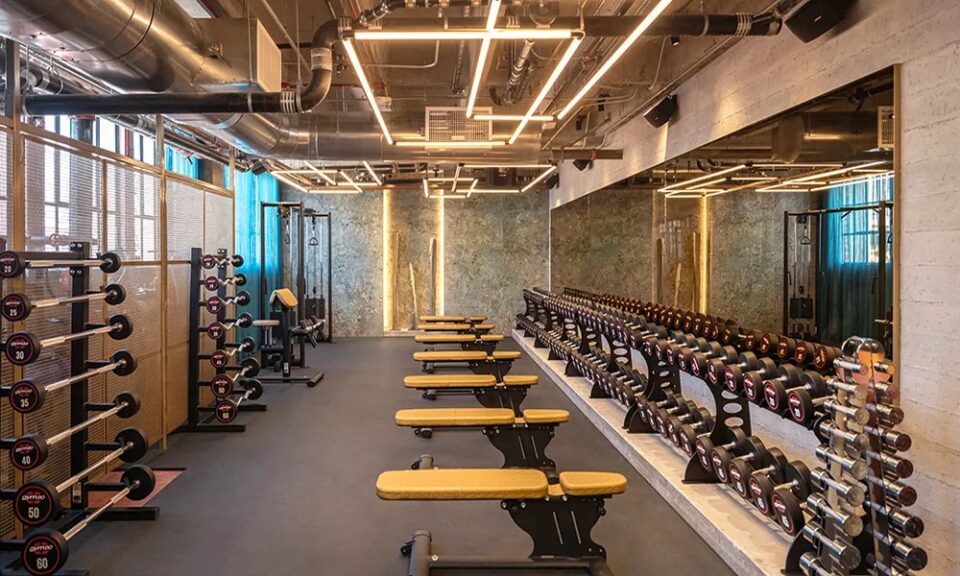
Forget the image of crowded chain gyms and cookie-cutter routines. Premium West-End functional training redefines what it means to train, blending science, community, and luxury into an experience that feels miles away from the typical sweat session. Yet despite its rising popularity, myths and misconceptions cloud the reality of what these clubs actually offer.
Myth 1: Functional Training Is Just Another Fad
Functional training is often dismissed as a fleeting trend, but its roots run deeper than the latest fitness craze. Originating from rehabilitation and physical therapy, functional training focuses on movements that mimic real-life actions, helping build stability, mobility, and strength that you actually use outside the gym. Over time, its reputation has shifted from a therapy tool to a staple in high-performance and community-centered gyms.
Premium West-End programs elevate this concept by refusing to treat it as a buzzword. Instead, they integrate advanced modalities and offer purpose-built spaces with Cross-Fit equipment, core training rooms, and seamless transitions between cardio, strength, and mobility work. Clubs in Montreal’s west end, for example, curate their classes and environments so that every session feels fresh but grounded in exercise science.
Myth 2: Premium Functional Training Is Only for Athletes
Walking into a state-of-the-art training facility can feel intimidating, especially when you see advanced classes like HIIT, Bootcamp, or Operation Sweat! in full swing. Yet exclusivity here does not mean inaccessibility. From beginners’ aerobics to advanced Zumba, schedules are built to include every fitness level.
Expert trainers design programs that meet personal goals, whether weight loss, injury prevention, or simply getting in shape. The customized approach is intentional: you might find seasoned athletes, new parents, and retirees all working out side by side, each receiving modifications tailored to their needs.
Myth 3: Group Classes Can’t Offer Personalized Attention
Some still believe group classes are a one-size-fits-all affair, where individual needs get lost in the shuffle. In the world of West-End functional training, small group formats and seasoned instructors flip that narrative. Instructors like Justin, Elena, and Joanna bring a wealth of experience to the mat, reading the room and adjusting routines in real time.
This balance between group energy and individual focus is amplified through personal training add-ons. Members can jump from a high-energy class into a one-on-one session, creating a hybrid model that delivers the social motivation of group training with the precision of personal coaching.
Myth 4: Functional Training Neglects Flexibility and Recovery
Hard-charging HIIT circuits and bootcamps may grab attention, but flexibility and recovery are given equal billing. Yoga, Pilates, and Yogalates are not relegated to the sidelines; they are foundational to the weekly schedule. With classes offered daily, sometimes back-to-back with higher-intensity options, members are encouraged to balance strength-building with restorative work.
The integration of mobility-focused sessions ensures bodies recover smarter, not just harder. This prevents burnout and fosters lasting results, something often overlooked in traditional gyms.
Myth 5: Functional Training Lacks Variety and Enjoyment
Monotony has no place here. One glance at a West-End schedule reveals a dynamic mix: Afro-Caribbean dance, Zumba, total toning, basic ABT (abs, butt, thighs), Pilates, and even aquatic classes. The diversity is not just for show; it is by design, offering ways to challenge the body and keep motivation high.
Community is another secret ingredient. The best West-End facilities cultivate a vibe where members quickly shift from workout acquaintances to genuine friends, turning fitness into a social event that members look forward to each week.
Myth 6: Premium Training Means High Cost Without Added Value
Sticker shock is real, especially in the world of boutique fitness. However, premium does not mean overpriced for what you get. Transparent membership options allow clients to pay for only what they use, whether that is unlimited classes, drop-ins, or personal training bundles.
The value reveals itself in the details: state-of-the-art equipment, spotless amenities, and access to leading instructors. When you add the convenience of group classes, personal training, and specialized recovery zones under one roof, the investment becomes clear.
Myth 7: Functional Training Isn’t Effective for Weight Loss or Injury Prevention
Skeptics sometimes question the results. However, consistent aerobic classes, functional core work, and mobility sessions combine for a regimen that is both effective and sustainable. Members report weight loss, increased energy, and decreased injury rates, not through quick fixes, but through evidence-based programs adapted to each individual.
Stories from the West-End community speak volumes. From parents regaining strength postpartum, to older adults improving balance and confidence, real results replace empty promises. If you need more perspective, the detailed schedules and variety offered by West-End functional training further illustrate how personalization, diversity, and expertise come together for life-changing experiences.
The bottom line? Premium West-End training experiences are more than just workouts. They represent an intentional blend of science, community, and enjoyment that busts myths, and resets expectations, about what a gym can be.
