
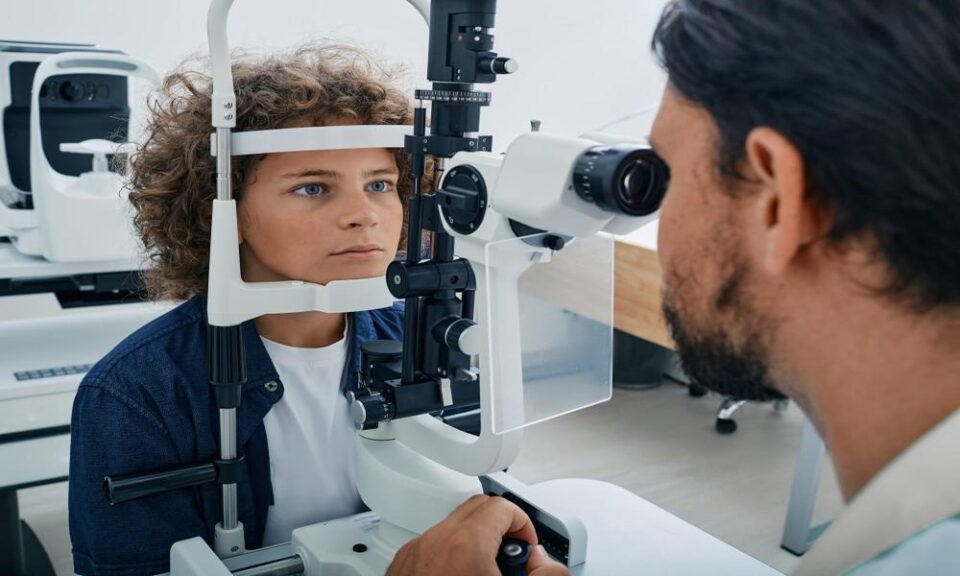
Many people assume that if they can see clearly, their eyes must be healthy. This belief leads countless individuals to postpone or completely skip routine appointments, often going years without an eye exam. While vision clarity is important, it is only one part of eye health. When too much time passes between eye exams, changes can occur quietly and gradually, increasing the risk of undetected vision problems and systemic health conditions that could have been addressed earlier.
An eye exam is not just about updating a prescription. It is a preventive health tool that allows eye care professionals to detect subtle changes long before symptoms become noticeable. Waiting too long between exams often means missing the early warning signs that protect long-term vision and overall health.
Vision Changes Don’t Always Happen Suddenly
One of the reasons people delay an eye exam is that vision changes often occur slowly. The brain adapts remarkably well to gradual decline, making it difficult to notice small shifts in clarity, focus, or depth perception. By the time blurred vision or eye strain becomes obvious, the issue has often been developing for years.
Regular eye exams provide clear benchmarks over time. Comparing results from previous visits allows optometrists to detect changes that may not yet be affecting daily activities. Without these comparisons, gradual vision loss can go unnoticed until it begins interfering with work, driving, or reading.
Undetected Prescription Changes Can Affect Daily Life
Even minor prescription changes can have a significant impact on comfort and performance. Outdated prescriptions often contribute to headaches, eye strain, fatigue, and difficulty concentrating, especially during screen-heavy tasks.
When an eye exam is delayed, individuals may unknowingly compensate by squinting, leaning closer to screens, or avoiding certain activities. These adjustments strain the eyes and can reduce productivity and quality of life without the person realizing the root cause.
Eye Health Conditions Often Develop Without Symptoms
Some of the most serious eye conditions do not cause pain or noticeable vision changes in their early stages. Glaucoma, for example, can progress silently for years while causing irreversible damage to the optic nerve. Macular degeneration and retinal conditions may also advance without early warning signs.
Routine eye exams are critical for detecting these conditions early. Waiting too long between exams increases the risk that problems will only be discovered after permanent damage has occurred. Early detection often allows for monitoring, treatment, and lifestyle adjustments that preserve vision.
Eye Exams Can Reveal More Than Vision Issues
The eyes provide a unique window into overall health. Blood vessels, nerves, and tissue visible during an eye exam can reveal signs of systemic conditions such as diabetes and high blood pressure. Delaying an eye exam means potentially delaying the detection of these conditions as well. In many cases, eye care professionals are among the first to notice changes that prompt further medical evaluation. Early identification can lead to faster diagnosis and better long-term outcomes.
Increased Risk for Digital Eye Strain
Modern lifestyles place unprecedented demands on the eyes. Prolonged screen use, artificial lighting, and reduced blinking contribute to digital eye strain, dryness, and discomfort. Without regular eye exams, these issues often go unaddressed. An updated exam can identify strain-related changes and lead to adjustments in prescriptions, lens design, or daily habits that reduce discomfort and prevent worsening symptoms.
Children and Teens Are Especially Vulnerable
For younger individuals, waiting too long between eye exams can affect learning and development. Vision changes during growth years can impact reading comprehension, attention, and academic performance.
Children and teens may not recognize or communicate vision problems clearly, making routine exams essential. Delayed detection can lead to unnecessary struggles in school and reduced confidence, all of which could be avoided with consistent eye care.
Aging Increases the Importance of Routine Exams
As people age, the risk of eye conditions increases. Cataracts, glaucoma, and age-related macular degeneration become more common, making regular eye exams even more critical. Waiting extended periods between exams during adulthood increases the likelihood that age-related changes will progress unnoticed. Early monitoring allows for timely intervention and planning, preserving independence and quality of life.
Small Issues Can Become Bigger Problems
What starts as a minor issue can become a significant concern when left unchecked. Dry eye, inflammation, or slight vision imbalance may worsen over time without proper guidance. An eye exam provides an opportunity to address these issues early, often with simple solutions. Delaying care increases the chance that treatment will become more complex and disruptive.
Prevention Is Easier Than Correction
Preventive care is always more effective than corrective care. Regular eye exams allow optometrists to identify risk factors and recommend steps to protect eye health before problems develop. This proactive approach reduces long-term costs, minimizes disruption to daily life, and supports better outcomes. Waiting until symptoms appear often limits available options.
Why Consistency Matters More Than Frequency Alone
The value of an eye exam lies not just in how often it occurs, but in its consistency. Tracking changes over time provides insight that a single exam cannot. When exams are spaced too far apart, this continuity is lost. Regular visits create a health timeline that improves accuracy and supports better decision-making.
Protecting Vision Is a Long-Term Commitment
Vision plays a central role in daily life, from work and education to safety and enjoyment. Protecting it requires ongoing attention rather than reactive care. An eye exam is a simple but powerful step toward maintaining clear vision and overall health. Waiting too long between exams increases risk, while consistency supports prevention, early detection, and peace of mind.
Why Scheduling Regular Eye Exams Matters
Delaying an eye exam often feels harmless-until problems arise. By the time symptoms are noticeable, opportunities for early intervention may have passed.
Regular eye exams ensure that vision changes and health indicators are identified early, when they are easiest to manage. Maintaining a consistent schedule is one of the most effective ways to protect long-term eye health and overall well-being.
